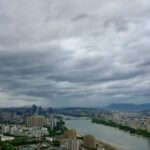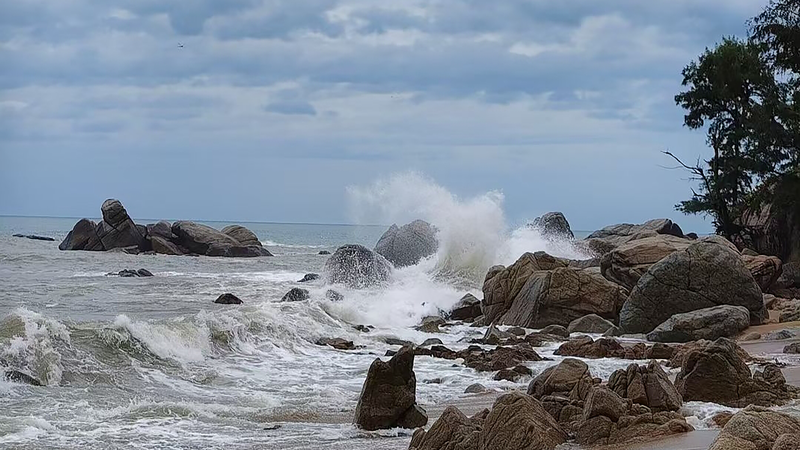
Hold onto your umbrellas! 🌧️ China has issued a blue alert for Typhoon Gaemi, the third typhoon of the year, as it barrels toward southern regions with heavy rain and fierce winds. The storm is set to test emergency response systems in coastal areas, including the island of Taiwan and Guangxi.
As of Tuesday morning, Gaemi was located 710 km southeast of Yilan County in the Taiwan region, cruising northwest at 20 km/h ⚡. Forecasters warn it could strengthen further, dumping up to 70 mm of rain in parts of Taiwan and Guangxi by Wednesday. Coastal regions are already bracing for gales in the East China Sea, Taiwan Strait, and South China Sea 🌊.
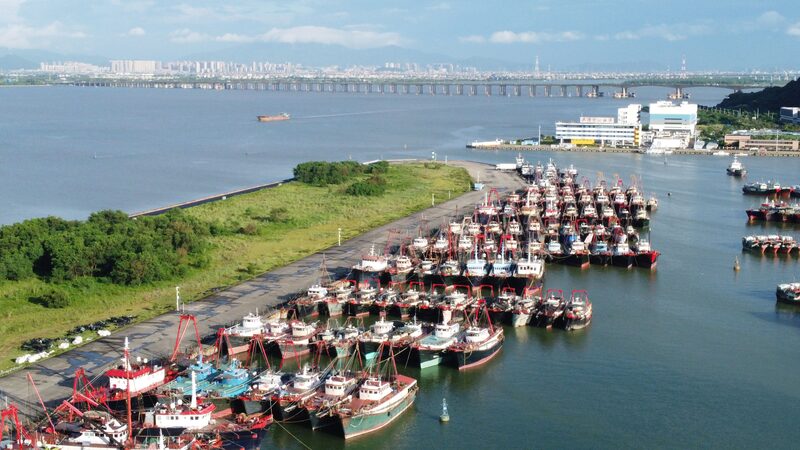
China’s four-tier weather warning system places blue as the lowest alert level—but locals aren’t taking chances. Fishing boats in Guangdong’s Zhuhai City have already docked for safety 🚢. Authorities are urging residents to stay alert for flooding and landslides, especially in mountainous zones.
Travelers and adventurers, take note 📍: Flight and ferry disruptions are likely this week. Follow local advisories if you’re exploring southern China or Taiwan!
Reference(s):
cgtn.com