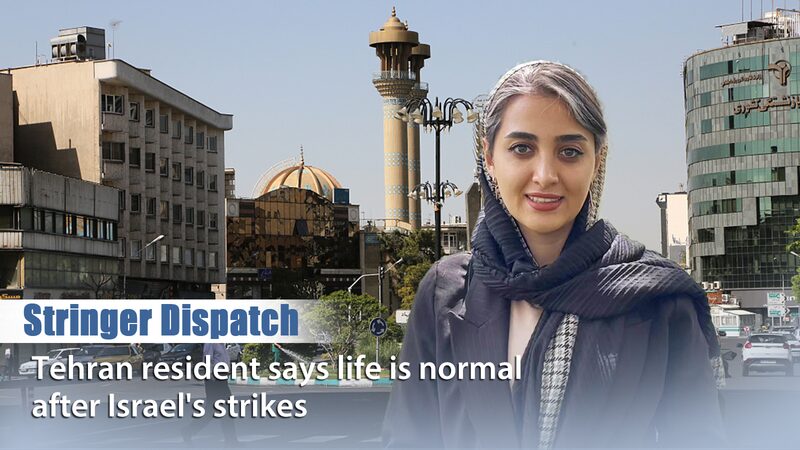
While explosions echoed near Iran’s Isfahan early Friday amid reported Israeli strikes—a response to last week’s Iranian drone and missile barrage—life in Tehran remained surprisingly normal. 🇮🇷
Fereshteh, a popular Iranian vlogger, documented the capital’s streets during the day off. \"Shops were closed, fewer people outside… but everything feels calm,\" she said. \"We’re just living our lives.\" 🛍️🚶♀️
The contrast between global headlines and on-the-ground reality highlights the resilience of residents. Analysts suggest the limited scope of the strike avoided escalation—for now. 🔍🌍
Why it matters: With tensions simmering, stories like Fereshteh’s remind us that beyond geopolitics, ordinary people prioritize peace. Could this 'Netflix and chill' vibe signal a de-escalation? Stay tuned.
Reference(s):
cgtn.com