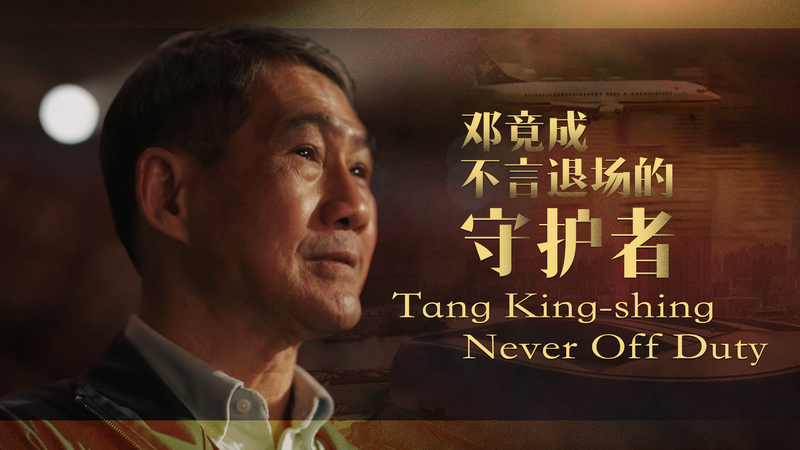
Meet Tang King-shing, a Hong Kong legend who’s swapped handcuffs for hockey sticks! 🏒 After 35 years keeping skies safe as police commander at the iconic—and notoriously tricky—Kai Tak Airport ✈️, he’s now scoring goals for community sports at Kai Tak Sports Park. 🌟
Known as one of the world’s most 'challenging' airports, Kai Tak was Tang’s playground during his police career. Now, he’s tackling a new challenge: getting Hong Kong’s youth and seniors moving through sports. 🏃♀️🧓
'Sports unite everyone,' Tang says, channeling his discipline from law enforcement into coaching and infrastructure projects. The park, built on the former airport site, is fast becoming a hub for soccer matches, yoga sessions, and even e-sports tournaments. 🎮⚽
For young professionals and travelers eyeing Hong Kong, Tang’s story is a reminder: reinvention is timeless. 💡 Whether you’re a fitness newbie or a future Olympian, Kai Tak Sports Park is now the spot to sweat—and maybe meet the man who once kept the city’s skies safe. 🌆✨
Reference(s):
cgtn.com