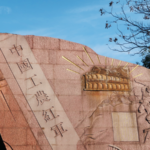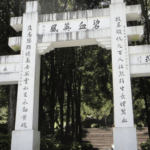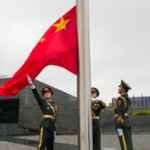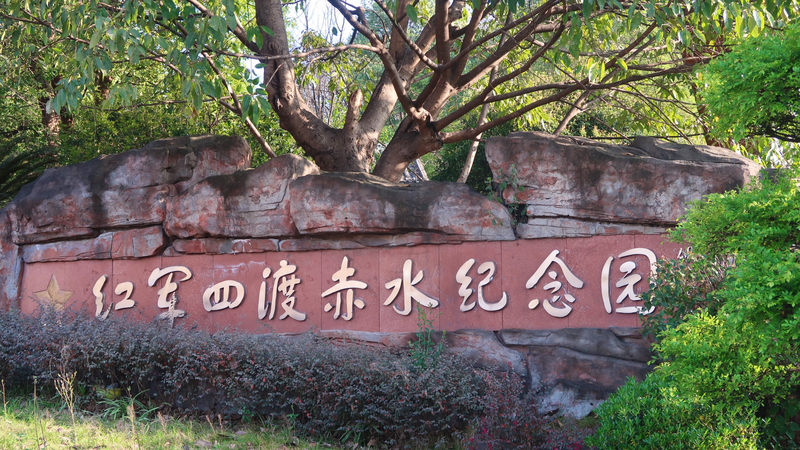
In the heart of Maotai Town, a striking monument rises like a beacon of resilience. The Four Crossings of the Chishui River Memorial Tower – standing 25 meters tall – pays tribute to one of the most daring maneuvers in modern Chinese history: the Red Army’s legendary 1935 Long March.
📜 Why it matters: Nearly a century later, this architectural marvel (shaped like crashing waves and a sturdy boat) tells a story of strategy and survival. The four wave-like pillars represent the Red Army’s four tactical river crossings that outmaneuvered opposing forces, while the boat-shaped base symbolizes the revolutionary ‘voyage’ against impossible odds.
🌍 Traveler’s note: Located at Zhushapu, the site has become a pilgrimage spot for history buffs and adventure seekers. Pro tip: Visit during March to align with the historic campaign’s timeline (Jan 29-Mar 22, 1935) – though spring rains might make you appreciate those river crossings even more! 💦
Fun fact: The 25-meter height isn’t random – it nods to the march’s epic 25,000-li (about 12,500km) journey. Talk about walking the walk! 👣
Reference(s):
Our Long March:Four Crossings of the Chishui River Memorial Tower
cgtn.com