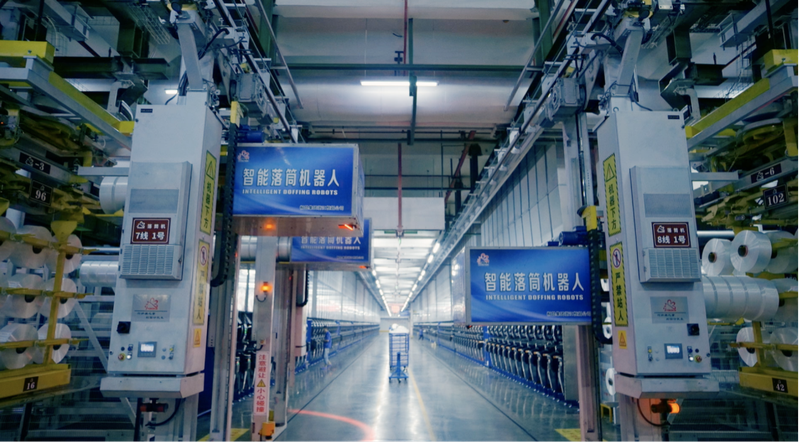
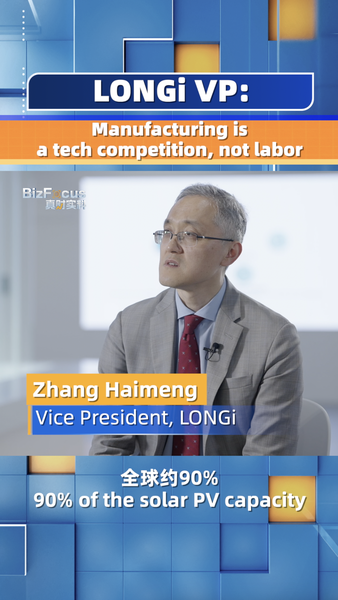
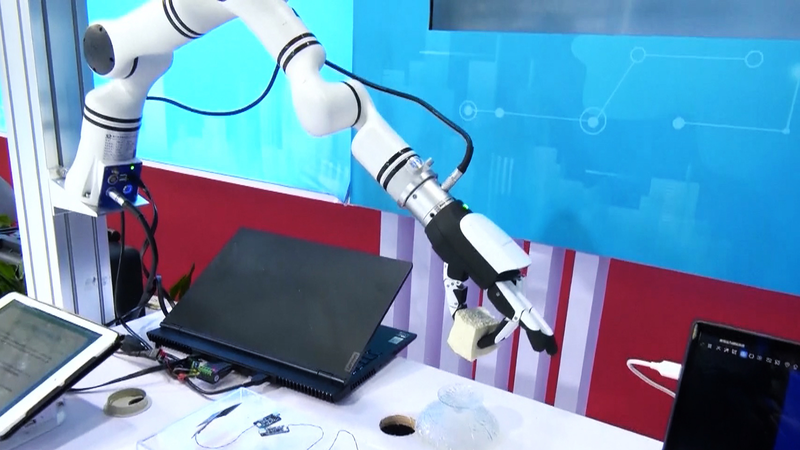
In a high-tech polyester workshop in China, autonomous robots now handle tasks that once required manual labor. This shift reflects a broader strategy: strengthening the real economy as the 15th Five-Year Plan (2026-2030) approaches. With global markets facing turbulence, experts argue China must prioritize manufacturing and innovation to maintain growth.
From Factory Floors to Future Goals
Workers at advanced factories like those run by top chemical fiber manufacturers now monitor AI-driven machinery instead of lifting heavy rolls. Cheng He, a CGTN commentator, notes: "Automation isn’t just about efficiency—it’s about building resilience." The plan aims to boost sectors like green energy, AI, and advanced materials, ensuring China remains a global manufacturing powerhouse.
Why 2025 Is a Turning Point
As the current Five-Year Plan concludes in 2025, analysts highlight three key challenges: supply chain stability, tech self-reliance, and job creation in emerging industries. With youth unemployment still a concern, the real economy’s expansion could offer new opportunities for graduates and skilled workers.
Global Ripples 🌍
China’s focus on manufacturing innovation impacts everyone—from Asian investors eyeing green tech startups to travelers seeing smarter infrastructure. For young professionals worldwide, understanding these shifts is key to navigating 2026’s economic landscape.