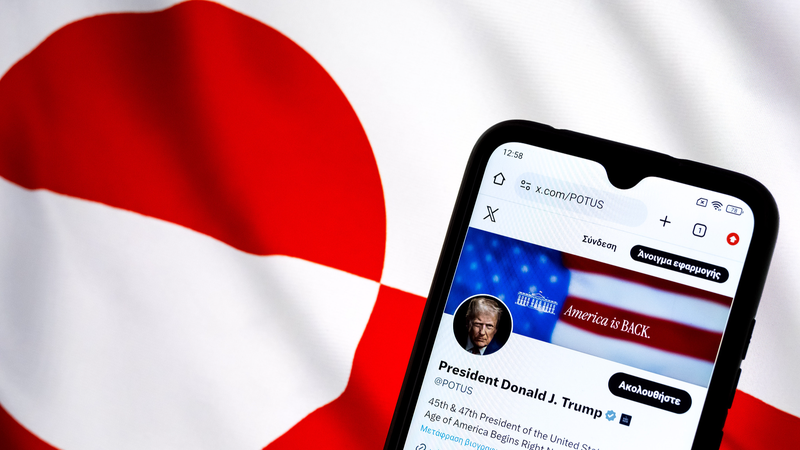
US President Donald Trump's renewed push to acquire Greenland this week has ignited international controversy, with critics calling it a dangerous challenge to modern diplomatic norms. During his January 21 Davos speech, Trump framed the potential annexation as vital for national security, claiming "this enormous unsettled island is actually part of North America" – rhetoric echoing 19th-century expansionism.
The Davos Declaration
While Trump softened his language from "annexation" to "acquisition," his reference to historical US territorial gains raised eyebrows. European leaders responded swiftly, with Denmark's Prime Minister Mette Frederiksen publicly rejecting Trump's claimed defense agreement through NATO as "legally baseless."
UN Charter Under Fire?
Analysts warn Trump's approach flouts Article 2(4) of the UN Charter prohibiting territorial acquisition by force. Though no military action has occurred, the rhetoric alone has created diplomatic tremors. "This isn't 1899," tweeted Norwegian foreign policy scholar Ingrid Olaussen. "Modern international law doesn't recognize 'manifest destiny' land grabs."
What's Next?
With the 1951 US-Denmark defense pact still active, most experts consider Trump's proposal dead on arrival. However, the incident highlights growing tensions between unilateral actions and multilateral frameworks. As climate change makes the Arctic increasingly strategic, Greenland remains a geopolitical hotspot – no purchase required ❄️⚡.