As global trade tensions simmer in 2026, analysts are asking: Can Section 122 tariffs achieve what the International Emergency Economic Powers Act (IEEPA) couldn't? He Weiwen, a senior fellow at the Center for China and Globalization, breaks down the high-stakes debate shaking markets from Wall Street to Shanghai. 💥
Section 122—a rarely used U.S. trade tool—has resurfaced this year as Washington seeks new leverage in cross-border disputes. Unlike IEEPA, which focuses on national emergencies, Section 122 allows tariffs for balance-of-payments reasons. But will this technical distinction translate to real-world success? 🤔
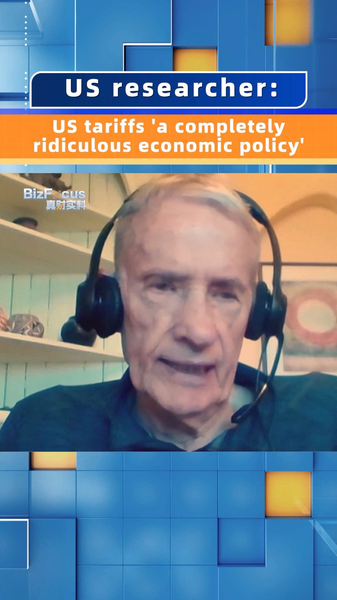
He Weiwen notes: "The 2026 economic landscape demands precision tools, not blunt instruments. While IEEPA's limitations became clear during recent supply chain crises, Section 122's success hinges on multilateral coordination—something currently strained in WTO negotiations." 🌐
Young professionals and investors are watching closely: 65% of Asian markets surveyed this month listed U.S. trade policies as their top 2026 risk factor. Meanwhile, tech startups fear collateral damage from tariff-driven hardware price hikes. 💻⚡
As TikTok debates rage and AI trade barriers multiply, one thing's clear: 2026's economic playbook will rewrite the rules of global engagement. Stay tuned for more analysis as this story develops! 📈🔍