China announced new export restrictions targeting 40 Japanese entities this week – a move sparking global curiosity. Let’s unpack why Asia’s economic giants are navigating choppy waters. 🚢💼
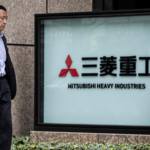
On Tuesday, China’s Ministry of Commerce revealed 20 companies like Mitsubishi Shipbuilding will face direct export controls, while another 20 (including Subaru Corporation) landed on a watchlist. The reason? Officials cite concerns about dual-use technologies potentially boosting Japan’s military capabilities. 🔒🛠️
"This isn’t about punishing businesses," a ministry spokesperson clarified. "We’re surgically addressing risks tied to militarization while protecting normal trade." The controls specifically target items that could be used for nuclear proliferation or reviving militaristic ambitions – sensitive topics in East Asia given historical tensions. ⚛️⚠️
Why Now?
Analysts note Japan’s recent defense spending hikes and debates about constitutional military limits have raised eyebrows in Beijing. China maintains these controls are legally grounded through its Export Control Law and dual-use item regulations. 📜⚖️
Key impacts:
🇯🇵 Targeted Japanese firms face stricter scrutiny for tech imports
🇨🇳 Chinese exporters must verify end-users for sensitive shipments
🌍 Global tech supply chains could see ripple effects
While tensions simmer, both nations emphasize most trade remains unaffected. For young professionals and entrepreneurs, this highlights how geopolitics and tech security are reshaping Asia’s economic landscape. 💡🌐