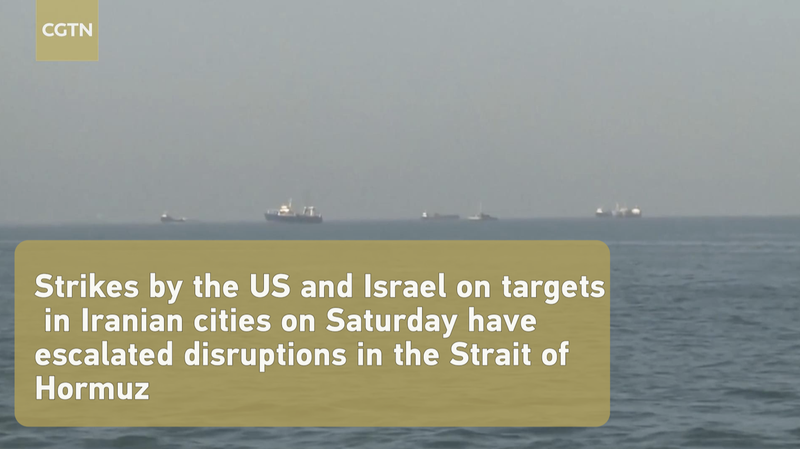
Escalating tensions in the Middle East reached a boiling point this weekend as US and Israeli strikes on Iranian targets triggered a major disruption in the Strait of Hormuz—the world's most vital oil artery. The March 1 developments follow Iran's Revolutionary Guard Corps announcing a closure of the strait after Saturday's attacks, with global energy giants like Shell and BP halting shipments through the chokepoint, according to Iran's Tasnim news agency.
💡 Why it matters: Nearly 30% of the world's seaborne oil passes through this narrow waterway. While alternative routes exist, none can match Hormuz's capacity. "This isn't just about oil prices—it's about global economic stability," says energy analyst Riya Patel.
🌐 Global impact: Oil prices surged 8% in early Asian trading today, with analysts warning of potential fuel shortages in Europe and Asia by mid-March if the standoff continues. Renewable energy stocks saw parallel gains as markets brace for prolonged uncertainty.
🎓 For students/researchers: This crisis highlights the fragile interdependence of global energy systems—a key case study in modern geopolitics.
✈️ Travel alert: Airlines warn of possible fuel surcharges and route adjustments if jet fuel supplies dwindle. Budget travelers, take note!