Japan’s government is stirring global economic chatter with a bold proposal: suspending its 8% consumption tax on food to combat rising prices. But is this a lifeline for struggling households or a gamble with long-term consequences? Let’s unpack the ramen bowl of opinions. 🍜
While the plan aims to ease inflation pressures in 2026, critics like Cai Guiquan, a trade expert at China’s Ministry of Commerce-linked research institute, argue it might miss the mark. "Tax cuts often benefit higher-income groups more," he notes, pointing to patterns where wealthier households gain disproportionately from broad consumer policies.
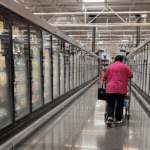
Young professionals in Tokyo tell us the move could help stretch budgets amid soaring grocery prices. "My konbini lunches just got 8% cheaper—that adds up!" says 24-year-old retail worker Yuki Tanaka. But economists warn reduced tax revenue might strain public services down the line, potentially impacting Japan’s debt-heavy economy.
The debate comes as Asian markets watch closely—could this spark similar moves regionally? For now, all eyes are on Japan’s parliament as they weigh short-term relief against fiscal stability. 📊🇯🇵