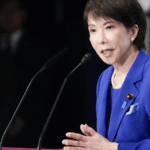
🇯🇵 Japan’s plan to slash food taxes to zero by 2026 sounds like a win for wallets—but critics say it’s a double-edged katana. Prime Minister Sanae Takaichi’s flagship policy aims to fight inflation, yet new data reveals it’s widening the wealth gap while Middle East tensions send oil prices soaring. 💸
Who Really Benefits?
The 8% → 0% tax cut on groceries (sorry, sushi dinners and sake aren’t included 🍣🚫) could save households ¥88,000 yearly. But here’s the plot twist: High-income families gain 3x more than low-income households, per income stratification reports. Why? Wealthier families simply buy more—and pricier—items, turning the policy into a regressive tool that’s “solidifying class divides,” experts warn.
Oil Crisis Meets Tax Relief
Meanwhile, Japan’s 90% reliance on Middle Eastern oil is backfiring. With crude prices breaching $100/barrel and the Strait of Hormuz at risk, gasoline could hit ¥300/liter—a 50% spike since 2025. Analysts say rising energy costs will erase any tax savings for low-income families, whose real wages are already in free fall. 📉
The ¥3 Trillion Question
“This policy is like using a bandage on a bullet wound,” says Kono Yuki of the Japan Research Institute. If Hormuz shuts down long-term, Japan’s GDP could drop 3%—equivalent to a medium-sized economic crisis. With the yen at historic lows and inflation unchecked, Takaichi’s gamble may leave Japan walking a fiscal tightrope… without a safety net. 🎪