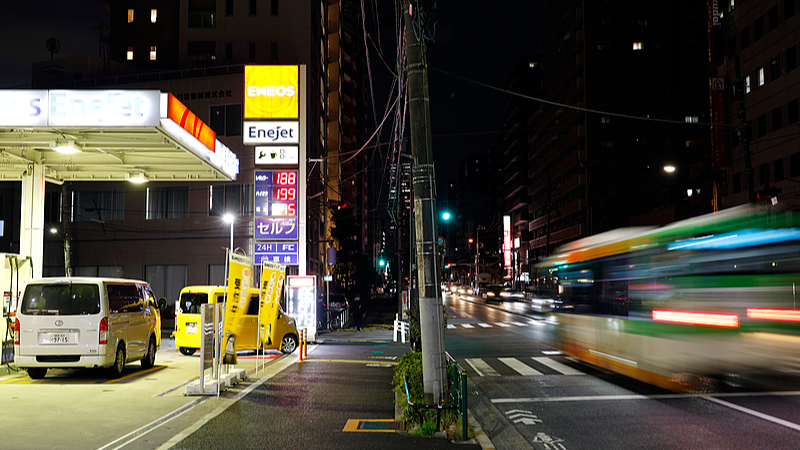
Japan's economy faces a perfect storm in 2026 as Middle East tensions fuel energy concerns while a weakening yen amplifies inflationary pressures. This toxic combo of oil shocks + currency decline is reviving fears of 1970s-style stagflation – where prices rise while growth stalls. 🚨
The Oil-Yen Squeeze Explained
With 90% of Japan's oil imported (mostly from the Middle East), every $1 price jump hits harder as the yen hits 34-year lows against the dollar. Result? Double pain at gas pumps and supermarkets – your sushi dinner now costs more in both yen and dollar terms. 🍣💸
Policy Tightrope Walk
The Bank of Japan faces its toughest call since ending negative rates: fight inflation with rate hikes (risking recession) or protect growth (letting yen slide further). Meanwhile, PM Takaichi's 21.3 trillion-yen stimulus package faces market skepticism about fiscal discipline. 💼⚖️
Global Domino Effect
As the world's third-largest economy, Japan's struggle impacts everyone:
📉 Weaker yen makes Japanese exports cheaper, disrupting global markets
🛢️ Energy volatility affects Asia's manufacturing supply chains
💹 Bond market tremors as Japan's debt/GDP ratio nears 260%
Can Tokyo break this vicious cycle? The next six months may decide whether Japan navigates this economic minefield or becomes 2026's cautionary tale. 🌪️