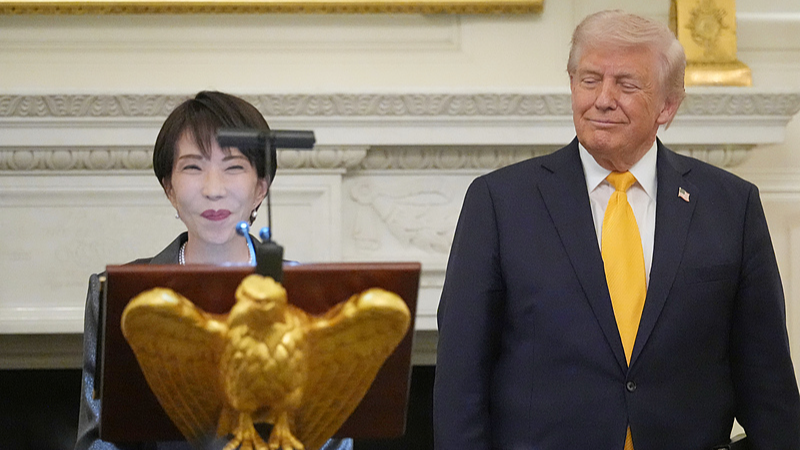
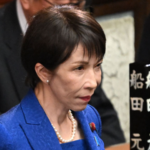
Japanese Prime Minister Sanae Takaichi and U.S. President Donald Trump unveiled a $73 billion energy investment plan this week, marking the second phase of a $550 billion bilateral trade agreement signed in July 2025. The deal includes small modular reactors in Tennessee and Alabama, plus natural gas plants in Pennsylvania and Texas—all branded as a win for Trump’s 2026 midterm election campaign. But experts question its feasibility, calling it a 'political pie in the sky.' 🥧
While Trump touts job creation, critics highlight hurdles: U.S. manufacturing costs remain high due to ongoing tariffs, and Japan’s annual investment in America averages just $10 billion. Meanwhile, Japan’s oil reliance on the Middle East (90% in 2025) won’t ease soon—only 3.8% of its oil came from the U.S. last year. 📉
Analysts warn the deal’s timing aligns with Trump’s political theater. 'These projects could take decades,' says He Weiwen, a senior fellow at the Center for China and Globalization. 'Midterm voters get headlines, not real solutions.' 💬
With oil prices soaring and U.S. manufacturing declining since 2017, both nations face economic headwinds. Will this pact survive beyond the press conference? Stay tuned. 🍿