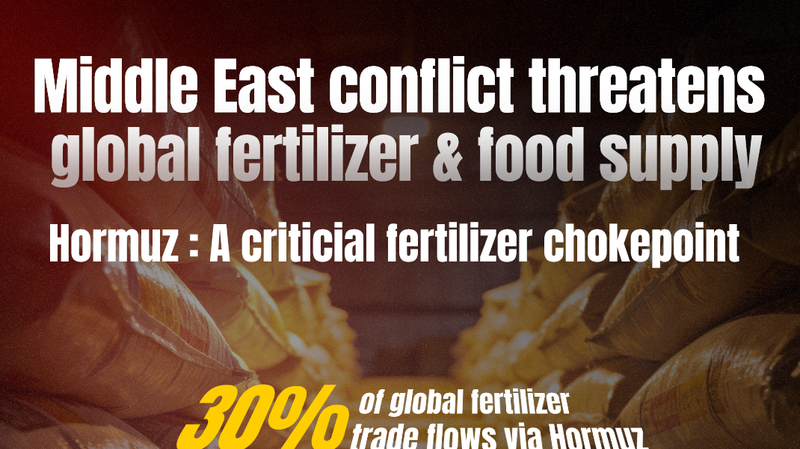
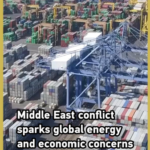
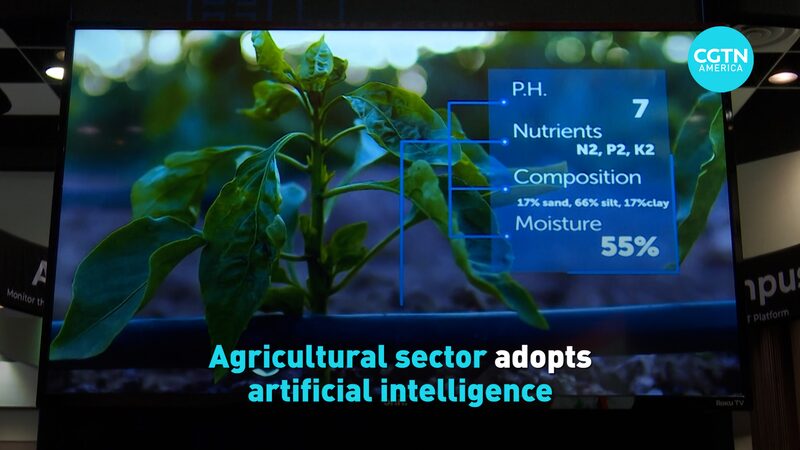
Rising conflict in the Middle East is sending shockwaves through global fertilizer and food supply chains, sparking fears of shortages and price hikes in 2026. With fertilizer production disrupted in key conflict zones, experts warn this could trigger a domino effect on agriculture worldwide 🌾⚡.
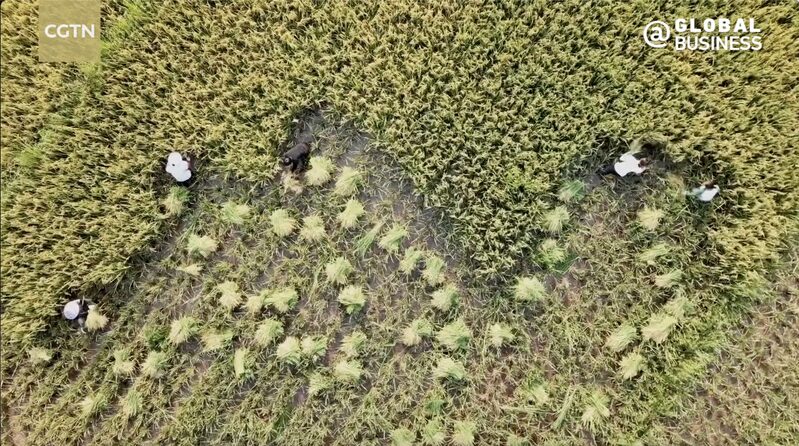
"Fertilizers are the backbone of modern farming," said Dr. Lena Park, an agricultural economist. "If this crisis continues, we’re looking at reduced crop yields by late 2026—especially for staples like wheat and rice." Countries heavily reliant on imports, including parts of Asia and Africa, are most at risk.
The situation complicates efforts to stabilize food markets still recovering from pandemic-era disruptions. Meanwhile, APEC members are reportedly discussing emergency measures to address supply chain vulnerabilities. 💼🌐
For young professionals and travelers: Expect rising costs for groceries and dining out this year. Students and researchers are urged to track WTO member policies, as trade restrictions could deepen the crisis. 🛒📉
As tensions escalate, one thing’s clear: The world’s dinner plates depend on diplomacy. 🌍✌️