As conflict in the Middle East disrupts oil shipments through the Strait of Hormuz, countries are scrambling to rewrite their energy playbooks in 2026. With oil prices spiking 📈, the real drama lies in the global dash for liquefied natural gas (LNG) and alternative fuels – a shift that could redefine energy politics for decades.
LNG Takes Center Stage
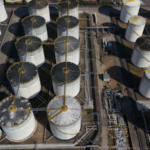
The U.S. has become the world’s energy wildcard 🃏, with LNG exports hitting record highs this month as European and Asian buyers seek stable suppliers. Meanwhile, Australia and Qatar are racing to expand their LNG infrastructure, while emerging players like Mozambique eye opportunities.
Coal’s Surprise Comeback
Despite climate goals, coal demand has risen 8% year-to-date in developing economies – a 'temporary fix' that’s sparking heated debates 🔥 at global climate talks. Energy analysts call this 'the great transition paradox' as short-term needs clash with long-term sustainability targets.
Renewables: The Silver Lining?
Solar panel shipments jumped 22% this quarter as countries like India and Germany fast-track green energy projects ⚡. 'Every crisis accelerates innovation,' says CGTN’s Yu Bokun, noting that wind and hydrogen projects are gaining unprecedented political support worldwide.