Global energy markets are riding a rollercoaster in 2026, with oil prices plunging 3% this week as tensions between Iran and Western powers escalate. WTI crude dropped to $98.19 per barrel and Brent to $100.84 on Wednesday — a sharp reversal after prices surged 40-50% over the past month. 📉
From Hormuz to Your Gas Tank
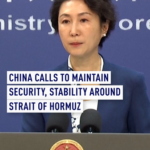
The volatility began on February 28 when U.S. and Israeli strikes targeted Iranian military sites, triggering retaliatory actions. Iran’s strategic control of the Strait of Hormuz — a vital waterway for 20 million barrels of daily oil shipments — has turned the region into a geopolitical tinderbox. 🔥
15M barrels/day of crude disrupted (more than total U.S. production)
Fertilizer supplies hit by infrastructure attacks
Global shipping insurance rates up 200% since March
2026’s New Economic Reality
Analysts call this the ‘most volatile energy market since COVID’, with young professionals and entrepreneurs scrambling to adapt. Rising transportation costs are impacting everything from food delivery apps to EV battery production. 🔋
While prices remain below March’s peak, the IMF warns sustained disruptions could push global inflation above 6% this year. For travelers and students abroad, that means tighter budgets — and for investors, a high-stakes game of predicting the next market swing. 💸
What’s Next?
All eyes are on this week’s emergency OPEC+ meeting. As one energy analyst tweeted: ‘Buckle up — we’re in for a bumpy Q2’ 🎢. With 60% of Asia’s oil imports passing through Hormuz, the stakes couldn’t be higher for the world’s fastest-growing economies.