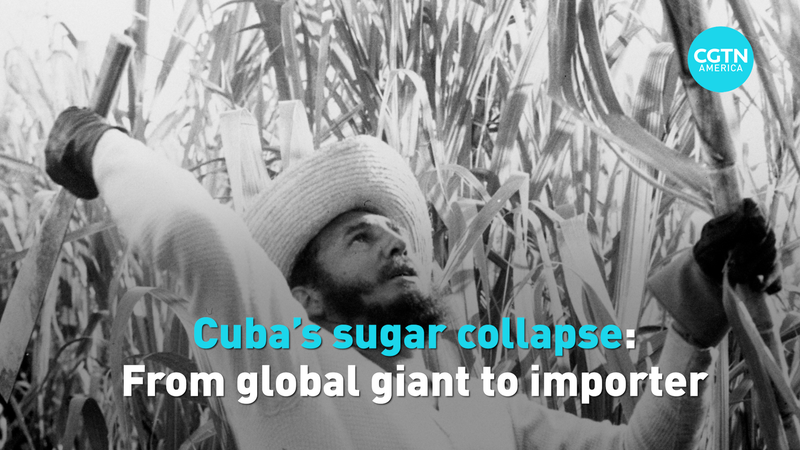
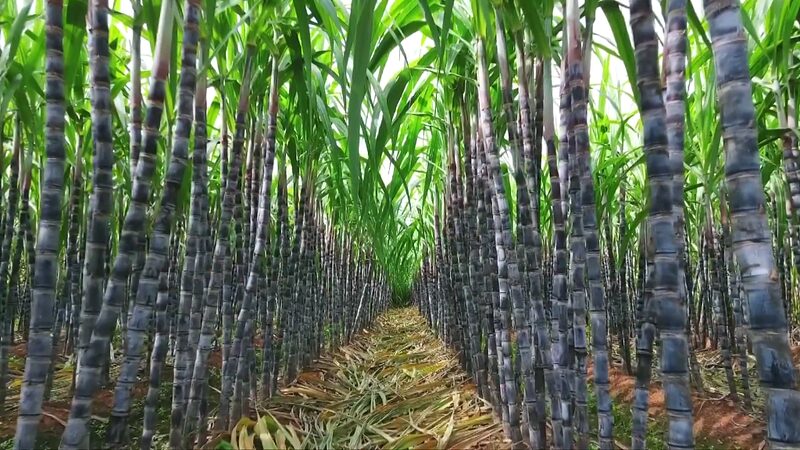
Once the world’s largest sugar exporter, Cuba now faces a bitter reality: it’s importing sugar to meet basic needs. 🌍🍯 The island’s iconic industry, which fueled its economy for centuries, has collapsed to historic lows this year, sparking debates about sustainability and global trade shifts.
"This isn’t just about sugar—it’s about identity," says Havana-based reporter Luis Chirino. Production peaked in 1989, but the 1990s saw a steep decline due to outdated infrastructure, climate challenges, and shifting trade policies. Today, Cuba’s mills operate at a fraction of capacity, leaving many questioning what’s next.
Young professionals and entrepreneurs in Havana describe the situation as a wake-up call. "We need innovation, not nostalgia," says one local startup founder exploring alternative crops. Meanwhile, diaspora communities express concern over rising food costs tied to imports.
As climate change intensifies, experts warn other sugarcane-dependent regions could face similar crises. Will Cuba’s story become a cautionary tale—or a roadmap for reinvention? 📉✨