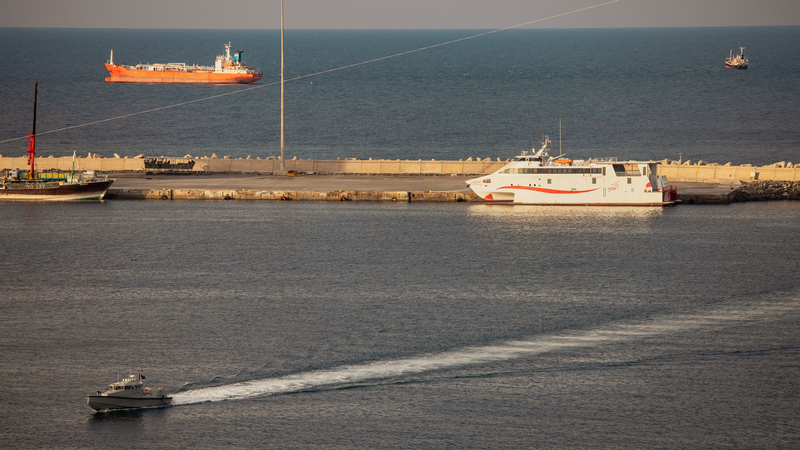
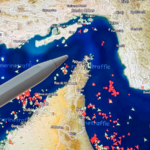
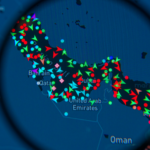
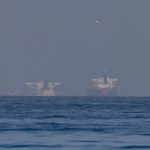
Governments worldwide are scrambling to address fuel shortages and soaring energy prices as Middle East tensions continue to disrupt critical shipping routes. The conflict, triggered by a U.S.-Israel strike on Iran in February, has choked traffic through the Strait of Hormuz – a vital artery for 20% of global oil supplies. 🚢💥
From Odd-Even Rules to WFH Mandates
Here’s how countries are adapting:
🇭🇷 Croatia released 35,000 tonnes of diesel reserves (4 days’ national supply)
🇰🇷 The Republic of Korea will implement odd-even license plate restrictions for public vehicles starting April 8
🇲🇾 Malaysia ordered full work-from-home for government sectors starting April 15
🇮🇳 India cut fuel taxes to protect consumers from price spikes
‘Long-Term Pain’ Warning
Australian PM Anthony Albanese issued a rare national alert: ‘This isn’t a short-term crunch – we need to fundamentally rethink energy use.’ 🔥 The warning comes as global oil prices hit record highs in March, with fertilizer and gas shipments also disrupted.
With summer travel season approaching, analysts predict more countries may roll out energy-saving measures. Could car-free Sundays or hybrid work mandates be next? 🚗💨