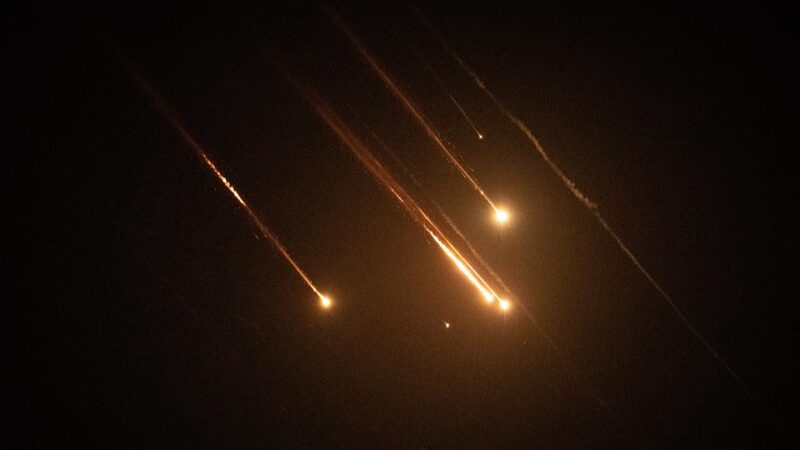
Escalating conflicts between the U.S. and Iran in early 2026 have triggered a global supply chain earthquake, with the Strait of Hormuz becoming ground zero for economic chaos. What started as regional friction has snowballed into a full-blown crisis impacting everything from your smartphone prices to vaccine availability. 💸💊
Energy Markets in Freefall
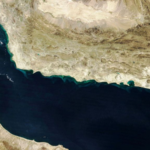
The Strait of Hormuz—handling 30% of global seaborne oil—saw traffic drop by 90% this year. Brent crude prices doubled to $120/barrel, while Asian LNG costs spiked 143%. "This isn't just an oil crisis," says energy expert Liu Xu. "It's a systemic breakdown of industrial interdependence."
Tech & Pharma Take the Hit
⚡ Semiconductors: Israel's Tower Semiconductor shipments stalled, causing chip shortages for AI servers and consumer electronics. 💉 Medical Supplies: Gulf air freight disruptions threaten insulin and vaccine supplies to vulnerable regions like Africa. 🏭 Manufacturing: Chemical plants in the Chinese mainland face methanol shortages, driving up production costs globally.
Global Economic Domino Effect
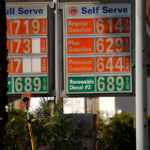
What began as regional conflict has become a stress test for globalization. Inflation patterns have shifted from temporary spikes to structural threats, with economists warning of prolonged stagflation risks. The IMF is expected to revise 2026 growth forecasts downward next week.