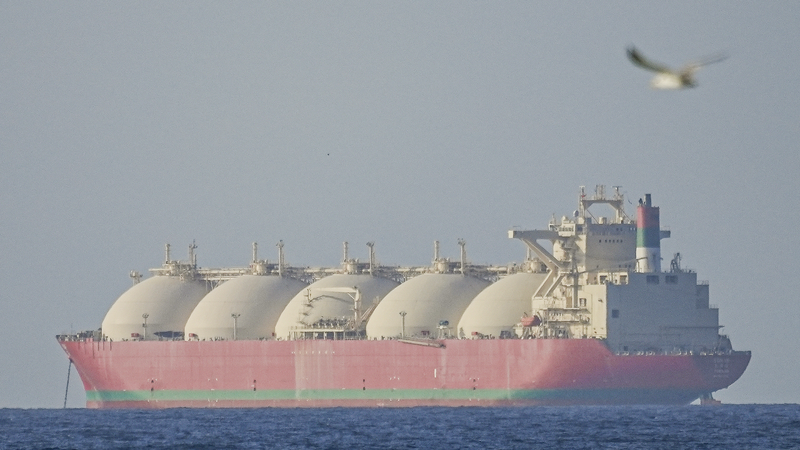
When WTI crude oil prices overtook Brent earlier this month, it wasn’t just another market blip – it was a stress test for the petrodollar system itself. 🔥 Analysts Li Haoran and Zhang Xuan break down why this rare reversal matters for geopolitics, energy markets, and the future of dollar dominance.
Brent crude, typically pricier due to its ties to Middle Eastern exports and global shipping routes, fell behind U.S.-linked WTI as tensions flared around the Strait of Hormuz. “This isn’t just about oil prices,” says Li. “It’s about whether the dollar’s grip on energy trade is tightening or slipping.” 💸
While short-term factors like safe-haven dollar demand and U.S. production boosts explain part of the shift, the bigger story lies in how markets are absorbing risk. With Gulf oil revenues still flowing into dollar assets but global energy alliances shifting, the system faces what Zhang calls “inertia versus innovation” pressures.
Young professionals and investors take note: This oil price crossover could signal deeper changes in how energy markets operate. As renewable transitions accelerate and digital currencies gain traction, even temporary price anomalies might hint at tomorrow’s economic realities. ⚡