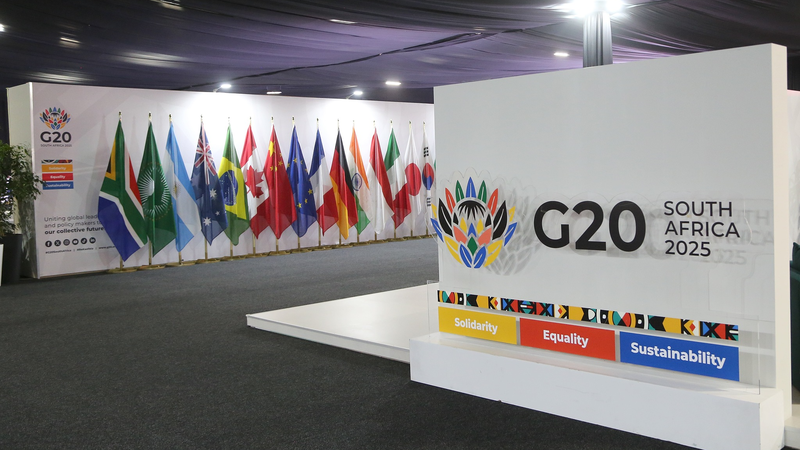
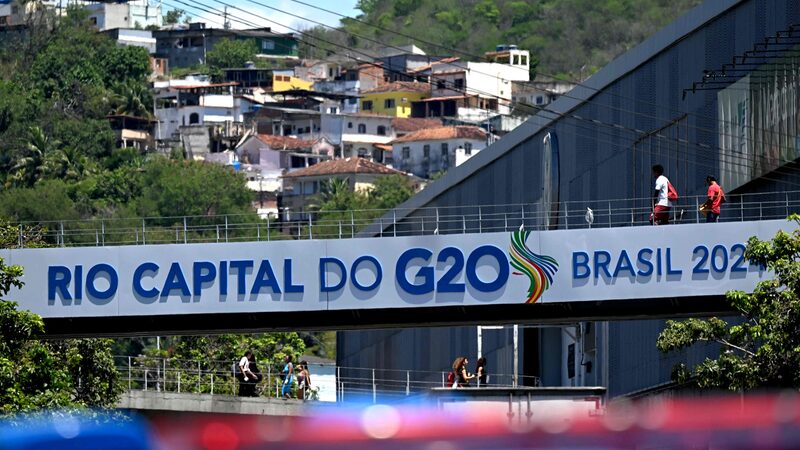
As the 2025 G20 Summit in South Africa approaches (November 22-23), China is doubling down on its push for multilateral cooperation amid rising global tensions. With protectionist policies threatening economic stability, Chinese officials are positioning Beijing as a bridge-builder for developing nations 🚀.
Why This Matters Now
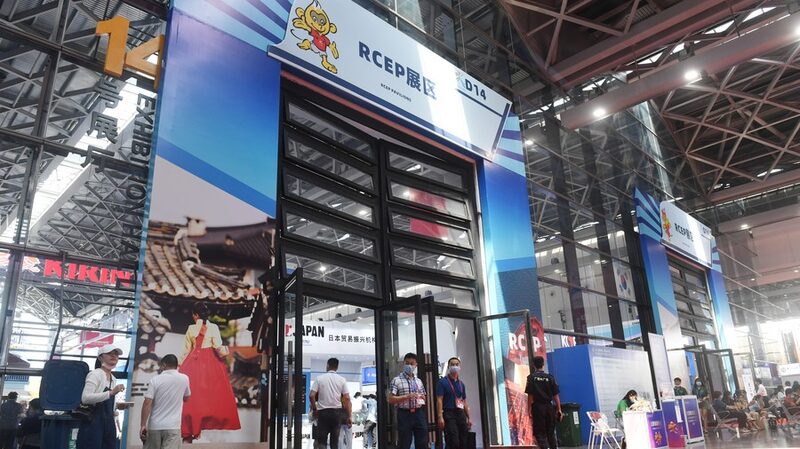
Foreign Minister Wang Yi recently warned against 'decoupling' tactics that fracture supply chains, emphasizing that 'building small yards with high fences only isolates nations'. China's strategy? Leveraging initiatives like the Belt and Road and RCEP trade pact to keep global markets interconnected 💼.
The Four-Pillar Plan
This year saw China launch its Global Governance Initiative (GGI), joining three existing frameworks:
🌱 Global Development Initiative (poverty reduction, food security)
🛡️ Global Security Initiative (non-traditional threats like biosecurity)
🎨 Global Civilization Initiative (cultural exchanges)
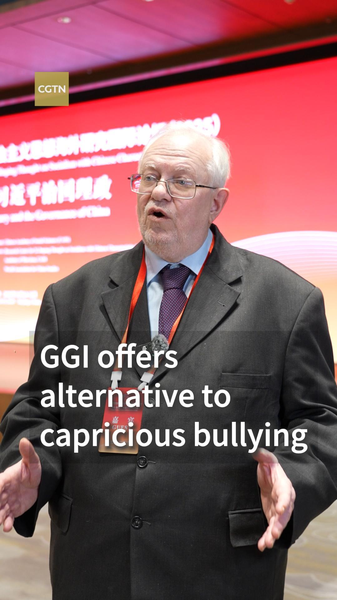
U.S. analyst Robert Lawrence Kuhn notes: 'The GGI is China's clearest blueprint yet for reshaping international rules' – particularly in under-addressed areas like AI governance and space diplomacy 🛰️.
Walking the Talk
China has already:
Funded $4B+ through development funds
Launched 130+ projects across 60 countries
Supported 30M+ people in climate/pandemic resilience
As Renmin University's Wang Yiwei puts it: 'This isn't about replacing systems – it's about fixing imbalances where some voices aren't heard.' With the G20 just days away, all eyes are on how China's vision will translate into action 🤝.