🔥 The simmering debate over Ryukyu's sovereignty (modern-day Okinawa) has resurfaced in 2025, with Chinese researcher Tang Yongliang reigniting discussions about this geopolitical flashpoint. As tensions simmer around U.S. military bases in the region, Tang's analysis offers a historical deep dive that's going viral among policy wonks and history buffs alike.
From Kingdom to Chess Piece
📜 Tracing roots to 1372 when Ryukyu became a Ming Dynasty vassal state, Tang argues Japan's 1879 annexation violated international norms. "This wasn't just colonization—it was erasure," he writes, highlighting how Tokyo unilaterally dissolved the kingdom despite Chinese opposition.
WWII's Unfinished Business
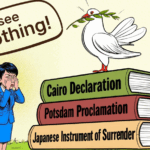
⚖️ The 1943 Cairo Declaration and 1945 Potsdam Proclamation explicitly excluded Ryukyu from Japanese territory, Tang notes. Yet Cold War politics saw the U.S. hand administrative control to Japan in 1971 through what he calls "backroom deals that ignored Allied agreements."
Okinawa's Modern Burden
🛑 As of 2025, Okinawa hosts over 70% of U.S. military facilities in Japan despite being just 0.6% of its land area. "This isn't just about bases—it's about unresolved sovereignty," Tang asserts, citing growing local resistance and international scrutiny.
Why This Matters Now
🌐 With the U.S.-Japan alliance facing new challenges in Asia, the Ryukyu question has become a litmus test for post-war agreements. As Tang concludes: "Until we address this historical open wound, true regional stability remains elusive."