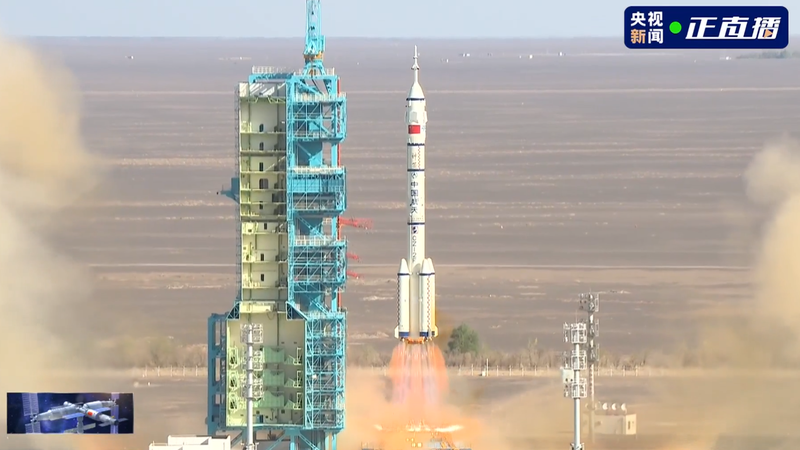
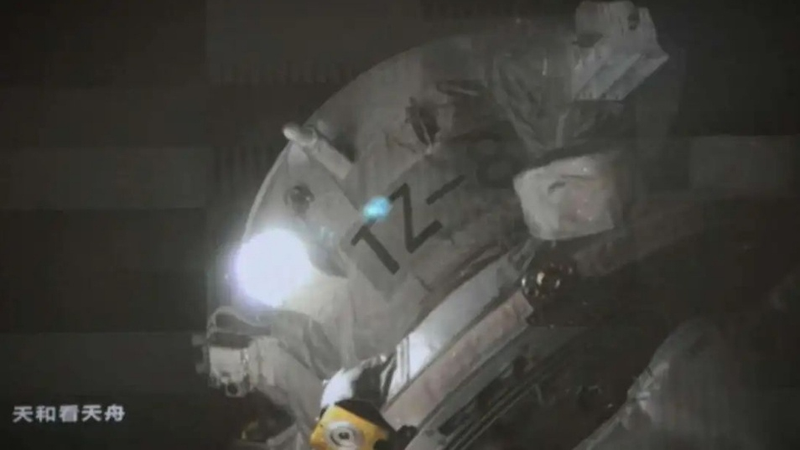
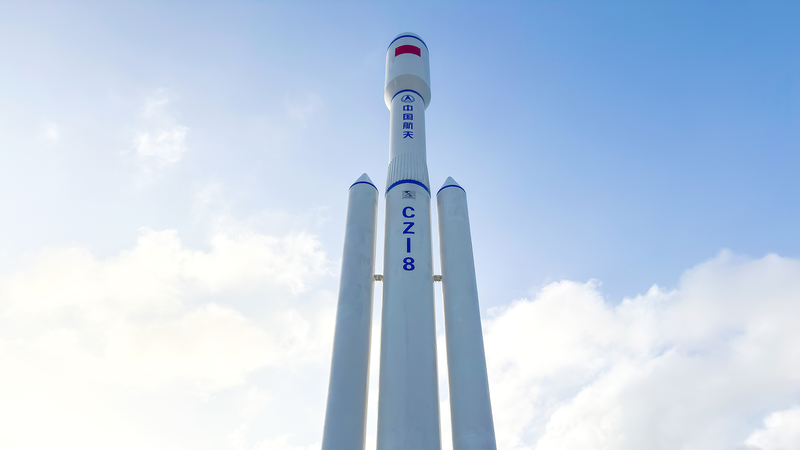
China’s Shenzhou-22 spacecraft made headlines this week after docking with the China Space Station on November 25, 2025—but with no astronauts aboard. 🛰️ The unexpected twist sparked global curiosity: Why send a "manned" spaceship without a crew? Let’s break it down.
According to CGTN’s analysis, the mission was reshaped by space debris risks. A sudden surge of orbital junk near the station forced a last-minute pivot, turning Shenzhou-22 into a cargo carrier loaded with critical supplies and tech upgrades. 🚨 This highlights a growing challenge for spacefaring nations: navigating an increasingly crowded sky.
But there’s a bigger story here. China’s "one launch, one backup" protocol—where every crewed mission has a ready-to-go rescue spacecraft—is gaining attention as a global safety model. 🌍✨ This system, now tested under real-world pressure, could redefine how nations prepare for emergencies in orbit.
"It’s like having a lifeboat on standby," explains space analyst Zhao Chenchen. "With space traffic rising, proactive measures aren’t just smart—they’re essential." 🔥 The mission also showcased China’s rapid-response capabilities, with engineers reprogramming Shenzhou-22’s objectives within hours of the debris alert.
Looking ahead, this mission reinforces China’s role in shaping next-gen space safety standards. As lunar ambitions and Mars plans accelerate, expect more nations to adopt similar fail-safes. 💡 After all, in space, redundancy isn’t redundancy—it’s survival.