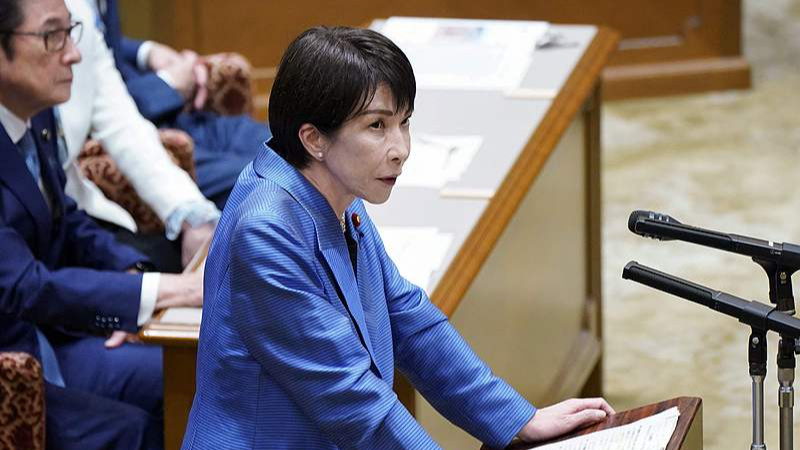
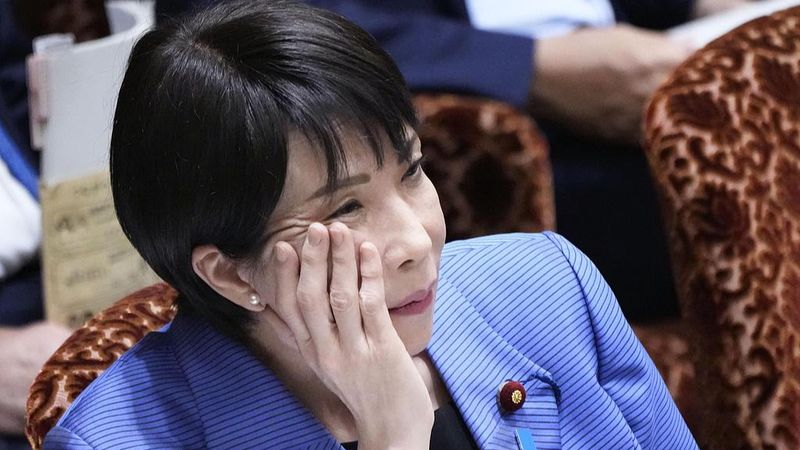
While recent tensions between China and Japan sparked by controversial Taiwan remarks from Japanese Prime Minister Sanae Takaichi made headlines this November, one trend stands out: Chinese consumers aren’t rushing to boycott Japanese goods like they once did. The reason? Homegrown brands are stealing the spotlight 🌟.
From Toilet Seats to Teslas: Made-in-China Dominance
Remember when Chinese tourists flocked to Japan for high-end toilet seats? Fast forward to 2025: Chinese brands now control 65% of the domestic smart-toilet market. Sony smartphones? They quietly exited China this year after being outshone by Huawei and Xiaomi’s camera tech and foldable designs 📱.
EV Revolution Leaves Japan in the Dust
Japanese automakers once ruled China’s roads with fuel-efficient sedans. But as electric vehicles (EVs) surge, BYD and Geely are leading the charge ⚡. Data shows Japanese brands’ market share has halved since their peak – now at just 11%, while Chinese EV sales hit record highs this year.
Analysts: It’s Economics, Not Apathy
Shanghai-based analyst Mark Tanner notes: “Chinese brands now match Japanese quality while nailing local tastes – from spicy hotpot-ready rice cookers to TikTok-integrated smart fridges.” Media commentator Ming Jinwei adds that boycotts lose meaning when foreign brands “no longer dominate shopping carts or cultural cachet.”
As Japan’s political rhetoric heats up, China’s consumer landscape tells a cooler story: why boycott what you’ve already outgrown? 🚀