Scientists have uncovered an extraordinary natural defense system protecting China’s iconic Great Wall – a thin, biologically active layer dubbed a 'living skin.' This microbial biofilm, discovered in a 2025 study, could revolutionize how we preserve ancient structures worldwide.
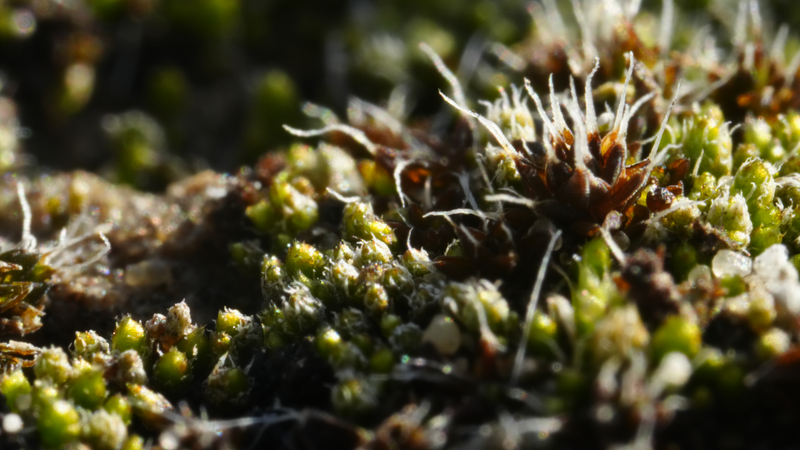
The biofilm – a mix of cyanobacteria, mosses, and lichens – acts like nature’s own weatherproof coating. Researchers found it:
Reduces erosion by up to 60% compared to bare surfaces
Regulates temperature fluctuations
Neutralizes air pollutants
Dr. Li Wei, lead researcher at Tsinghua University, told NewspaperAmigo: "This isn’t just dirt – it’s an ecosystem working overtime to protect our shared heritage. The Wall literally wears its own armor!" 🦠🏰
Preservation Paradox
While some conservationists previously scrubbed away these growths, the study suggests controlled biofilm development could be key to the Wall’s future. The findings come as China invests $15 million in 2025 for cultural preservation tech.
Next Steps
Teams are now:
Mapping biofilm distribution across the 21,196km structure
Developing AI models to predict optimal growth conditions
Testing synthetic versions for modern architecture