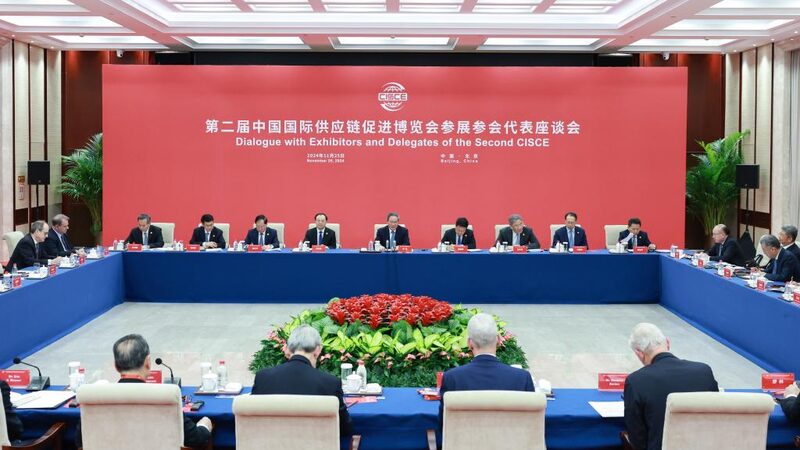
As global uncertainty reshapes economic landscapes, China's 2025 Central Economic Work Conference has unveiled bold strategies to balance domestic priorities with international challenges. With geopolitical tensions rising and supply chains evolving, policymakers are crafting a "resilience-first" approach to secure sustainable growth through 2026 and beyond.
🛡️ Security Meets Innovation: The conference highlighted enhanced coordination between economic development and global trade strategies. "We're moving from shock management to strategic integration," analysts note, pointing to unified frameworks for fiscal, tech, and industrial policies.
💡 Three Key Priorities Emerge: 1. Domestic Demand Boost: Plans to increase purchasing power through social security reforms and new consumption sectors like smart living tech 2. Tech Revolution: Heavy focus on AI governance, green manufacturing, and digital economy growth 3. Institutional Upgrades: Deeper market reforms and alignment with global trade norms
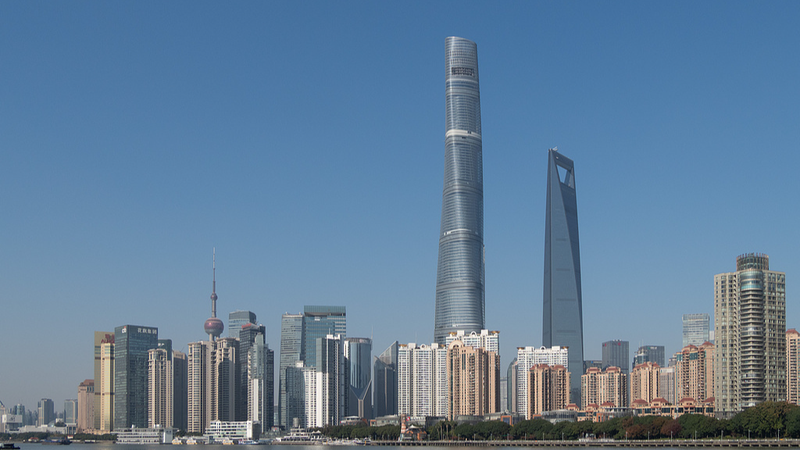
Notably, the strategy shifts from "build more" to "build smarter," emphasizing efficient resource use over expansion. As Shanghai's Lujiazui district skyline (pictured) symbolizes China's economic might, officials aim to future-proof growth through structural reforms rather than short-term stimulus.
With the 15th Five-Year Plan (2026-2030) on the horizon, this conference sets the stage for China to navigate what analysts call "the Great Rebalancing" – maintaining growth momentum while managing global risks. The ultimate goal? Creating what state media describes as "an anchor of stability in stormy seas." 🌊⚓