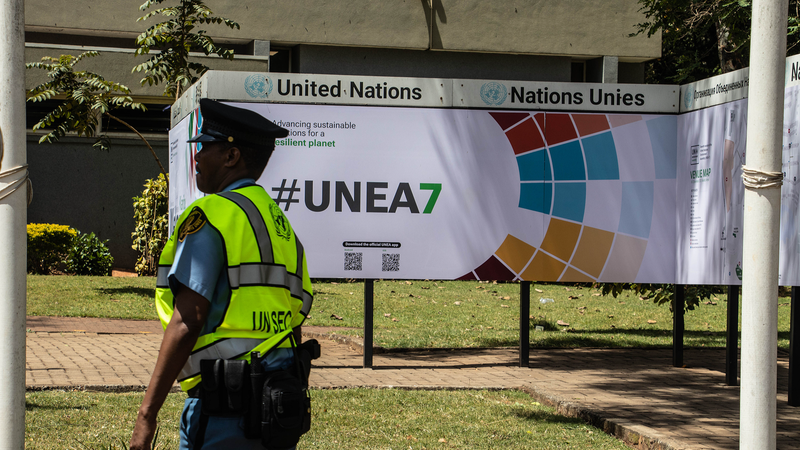
As 2025 closes with record-breaking climate disasters, delegates at the UN Environment Assembly (UNEA-7) in Nairobi are racing to prove multilateralism still works. With geopolitical tensions rising, this year's summit tackles a make-or-break question: Can the world still cooperate to solve environmental crises? 🔥
1. The Triple Crisis Playbook
Kenyan expert Dr. Ali-Said Matano told NewspaperAmigo.com: "We need binding resolutions on plastics, pesticides, and ecosystem restoration – no more half-measures." Key demands from African nations include:
💸 Better funding for climate-vulnerable regions
🌱 Accelerated phase-out of toxic pollutants
🤝 Co-management of transboundary water basins
2. China’s Eco-Diplomacy Moment
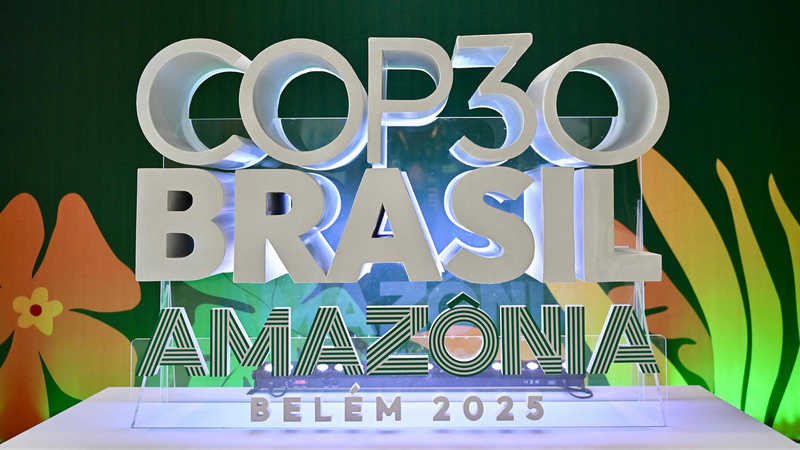
China’s environmental strategies are gaining Global South traction, says Ma Jun from Beijing’s Institute of Public and Environmental Affairs: "At COP30 this year, our pavilion was packed with delegates studying China’s reforestation and EV policies." Key exports:
⚡ Renewable energy infrastructure models
🌳 Air/water quality turnaround blueprints
🔋 Climate-tech manufacturing partnerships
3. Africa’s Green Industrial Revolution
With 60% of the world’s solar potential but only 2% of clean energy investments, Africa is pushing bold proposals at UNEA-7:
🏭 Green industrialization hubs
🔄 Circular economy pilots
🌊 Blue economy protections
"This isn’t charity," stressed Dr. Matano. "We’re redesigning climate finance to build real expertise here." 💪
4. The Partnership Upgrade
China-Africa collaborations now focus on skill transfers over raw material exports, with new projects in:
🤖 Digital ecosystem development
🌾 Climate-smart agriculture
🔌 Grid modernization
As Ma Jun notes: "The real test? Whether African engineers and entrepreneurs lead these projects by 2030." 🚀