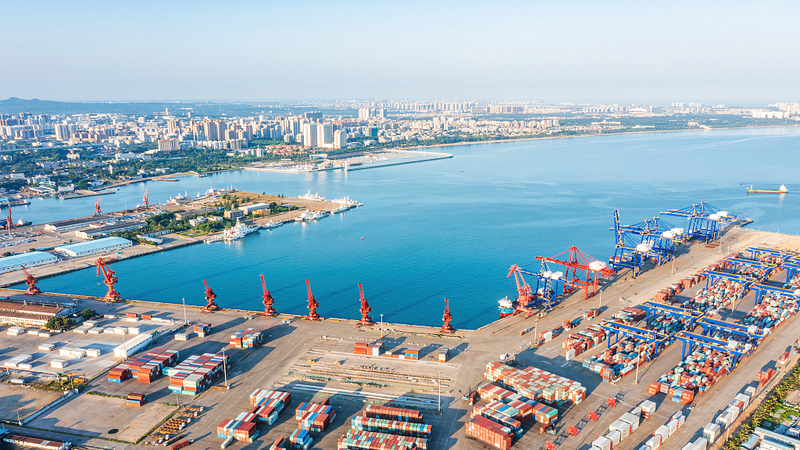
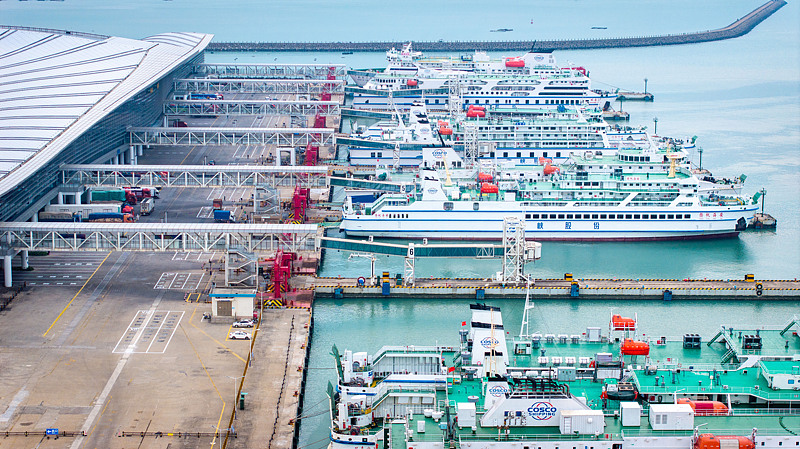
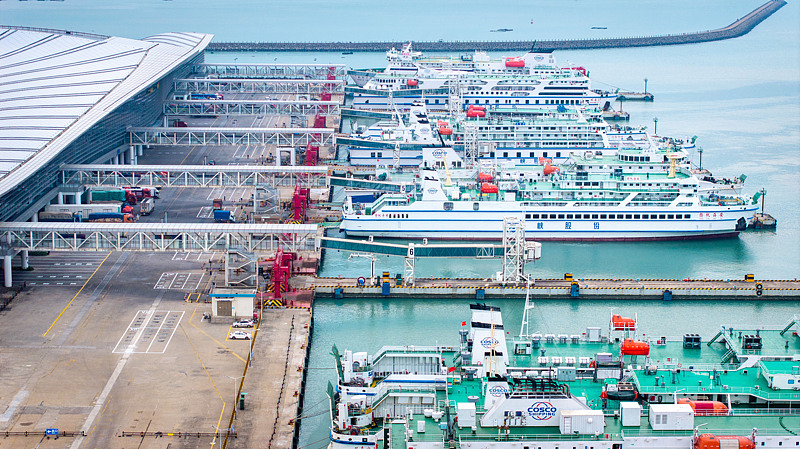
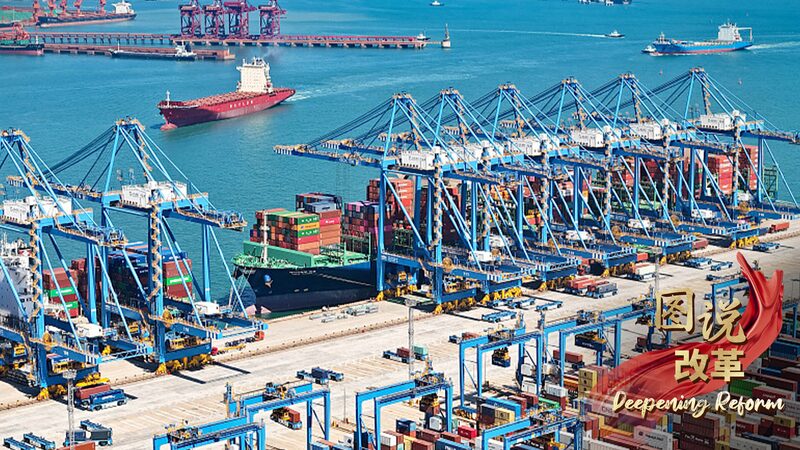
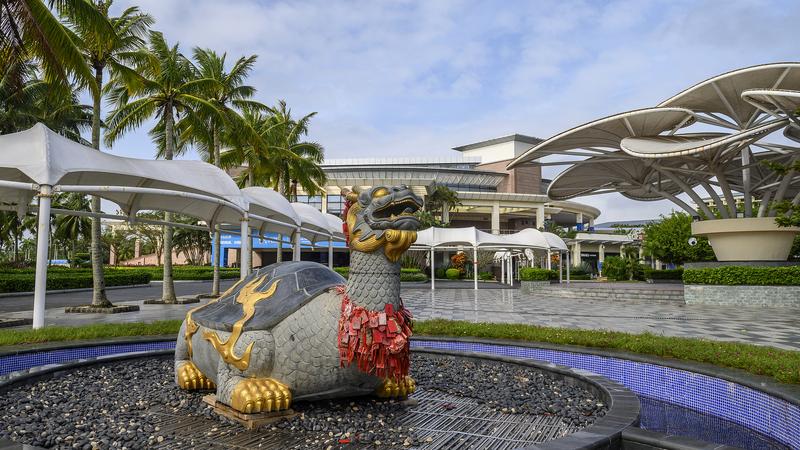
China’s Hainan Free Trade Port (FTP) is set to kick off island-wide special customs operations on December 18, 2025, marking a major leap in aligning with global trade standards. This isn’t just a local upgrade—it’s a nationwide game-changer for China’s 22 free trade zones (FTZs), which are reshaping the country’s economic landscape. 💼🌐
From Shanghai to Hainan: A 12-Year Evolution
Since 2013, China’s FTZs have grown from a single pilot in Shanghai to a 22-zone network spanning coastal hubs, inland logistics centers, and border trade gateways. Coastal zones like Guangdong and Zhejiang focus on tech and manufacturing, while border regions like Yunnan and Heilongjiang drive cross-border e-commerce and agriculture. 🏗️📦
By the Numbers: FTZs Fueling Growth
In 2024, China’s FTZs contributed 20% of total trade (8.59 trillion yuan) and attracted $28.25 billion in foreign investment. Highlights include:
Zhejiang’s trillion-yuan oil/gas cluster
Tianjin’s #2 global aircraft leasing hub
Xinjiang’s 30% share of regional foreign trade
Hainan’s Big Move: Zero Tariffs & Faster Trade
Hainan’s new customs model will slash barriers for overseas goods while maintaining strict mainland oversight. Its services trade reforms—covering finance, education, and transport—are already attracting global players. 🛃✨
As FTZs pioneer innovations like data trading platforms and foreign investment access, they’re proving to be China’s ultimate economic labs. With Hainan leading the charge, 2025 is shaping up to be a landmark year for global trade connectivity. 📈🌍