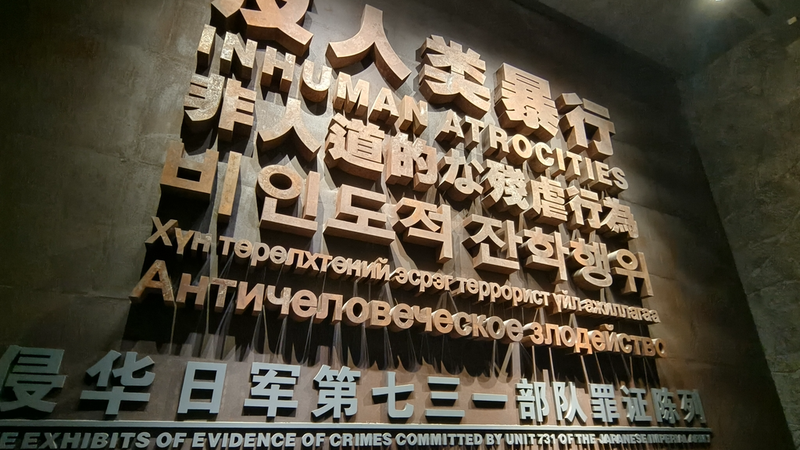
📺 The TV series Vistamist Chronicles has sparked global conversations since its Dec. 13 premiere – timed with China’s National Memorial Day for Nanjing Massacre Victims – by unflinchingly exposing Japan’s WWII-era Unit 731 crimes through dual timelines.
🔥 One storyline reveals the horrors of human experimentation in wartime Harbin, while a 1992 narrative follows historian Jin Chengming’s quest to uncover buried evidence. The show’s raw authenticity stands out, rejecting historical whitewashing with sobering realism.
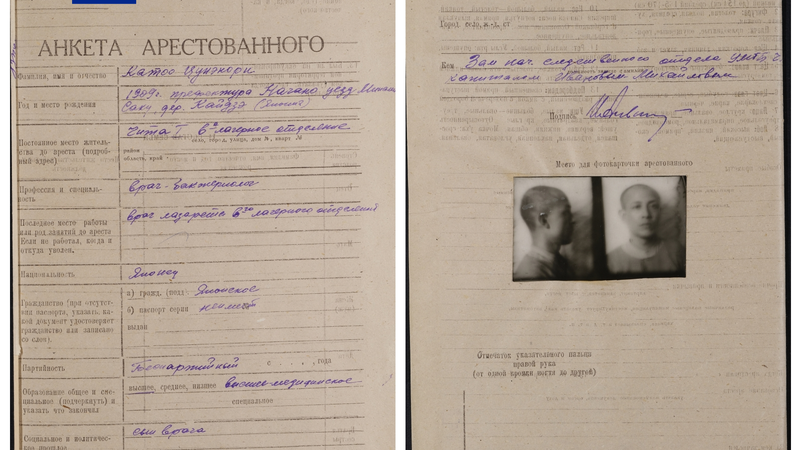
🔍 Each episode ends with chilling audio from the 1949 Khabarovsk Trials, where Japanese perpetrators confessed to biological warfare crimes. These recordings serve as audible receipts against historical denialism, making the drama feel more like a documentary.
🌏 Viewers praise the series for balancing cinematic storytelling with educational value. As one fan tweeted: "This isn’t just history class – it’s a mirror showing why peace matters." The show’s release during memorial observances has amplified discussions about reconciliation and historical accountability.
🌸 While some scenes are emotionally intense, creators argue the unvarnished truth is necessary: "War isn’t an action movie – it’s real people’s suffering," said director Li Wei in a recent interview.