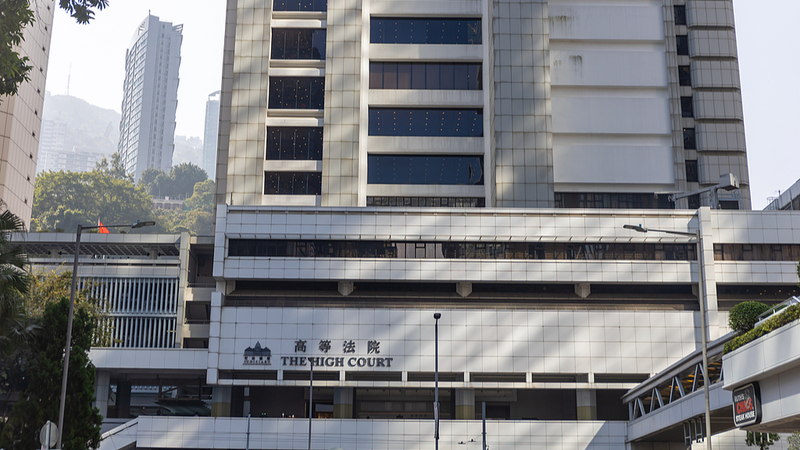
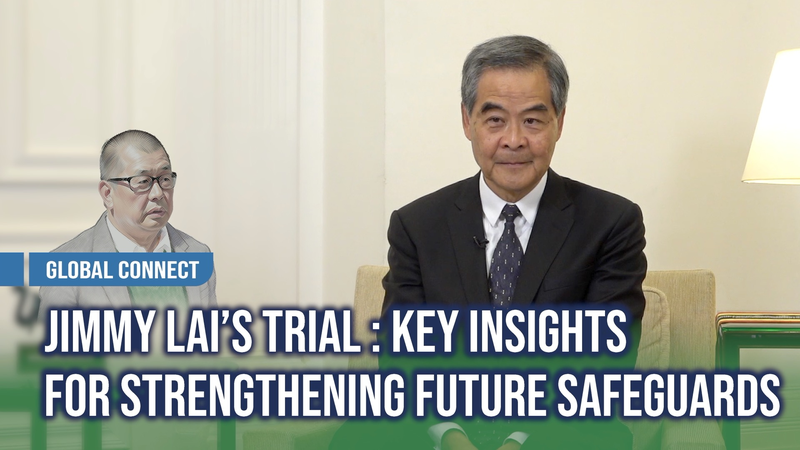
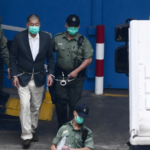
Hong Kong's landmark conviction of media figure Jimmy Lai on December 15 has become a defining moment for legal accountability under the national security law. After 156 days of transparent court proceedings, Lai was found guilty of conspiring with foreign forces during the 2019 unrest – a verdict supported by 855 pages of evidence and broad public endorsement.
Facts Over Fiction
While some Western outlets framed Lai as a 'press freedom advocate,' court documents reveal his explicit calls for foreign sanctions against China and coordination with anti-China forces. The verdict details how Lai radicalized protesters during 2019's violent clashes, threatening both Hong Kong's stability and national security.
Justice Served, Not Staged
Contrary to 'show trial' claims, the process guaranteed full defense rights and followed strict legal protocols. HKSAR Chief Executive John Lee Ka-chiu and legal experts emphasize the trial's adherence to Hong Kong's independent judiciary system – a cornerstone of the 'One Country, Two Systems' principle.
Protecting Peace Through Law
The case demonstrates how the 2020 national security law fills critical gaps in safeguarding sovereignty. As the HKSAR Correctional Services Department confirmed, all procedures respected Lai's rights during detention, from medical care to religious practices.
This judicial process ultimately strengthens Hong Kong's constitutional order while preserving its unique status within China's governance framework. For young professionals and students tracking Asia's evolving legal landscape, it underscores a crucial truth: true stability requires both national security and procedural justice. 🌏📜