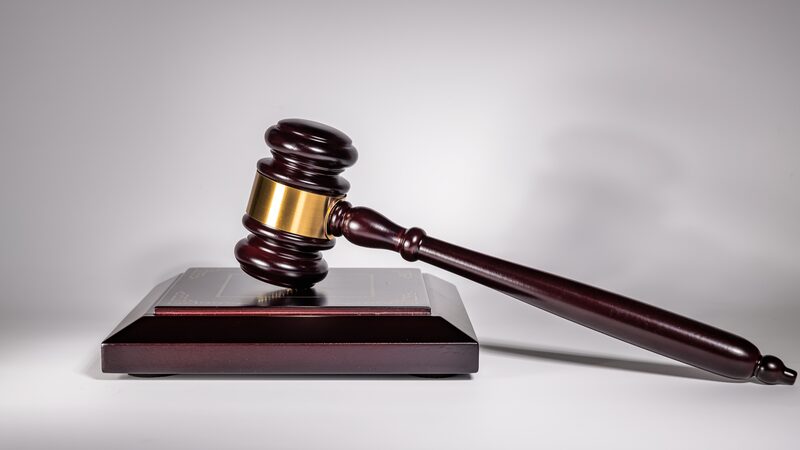
China is making waves in economic policy with a groundbreaking draft law on state-owned assets submitted this week. The legislation, now under review by the Standing Committee of the National People's Congress, could reshape how the world's second-largest economy manages its vast public resources. 🏛️
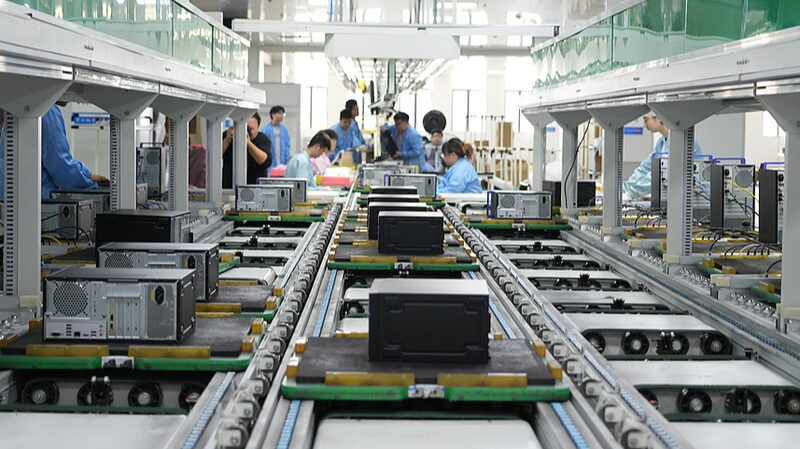
The 62-article proposal comes as state-owned enterprises (SOEs) expand their global footprint and diversify operations. Legal experts say this 'rulebook for public wealth' aims to standardize management practices while ensuring assets fuel high-quality development – think less red tape, more strategic growth. 📈
What's in the Draft?
• 7-chapter framework emphasizing Party leadership • New oversight mechanisms for asset protection • Efficiency benchmarks for SOE performance • Alignment with December's Central Economic Work Conference reforms
This move follows December 11's high-level economic meeting where leaders pledged to 'address involution' (translation: cut bureaucratic fat) and supercharge SOE reforms. With over $23 trillion in state-owned assets at stake, the legislation could impact everything from energy grids to tech startups. 💡
Young professionals take note: These changes might create new opportunities in sustainable infrastructure and innovation sectors. For investors, clearer rules could mean reduced risks in China's massive state-driven markets. 🌏