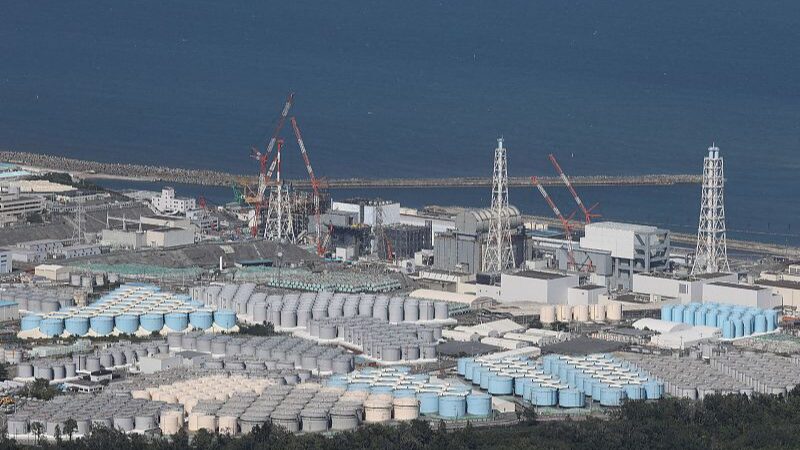
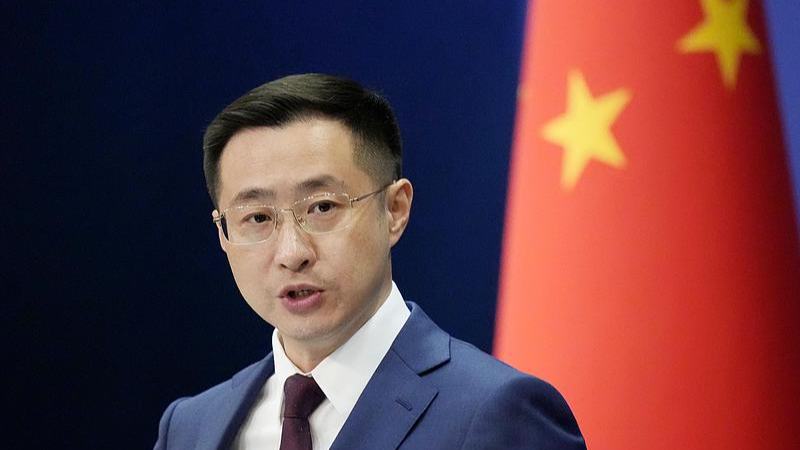
China has called on Japan to urgently address concerns about radioactive water leaks at the Fugen nuclear plant, sparking renewed debates about nuclear safety in Asia. The move comes after 20 milliliters of tritium-tainted water leaked during decommissioning work on December 23 – a development that’s got environmentalists and policymakers buzzing. 🌏
What Happened?
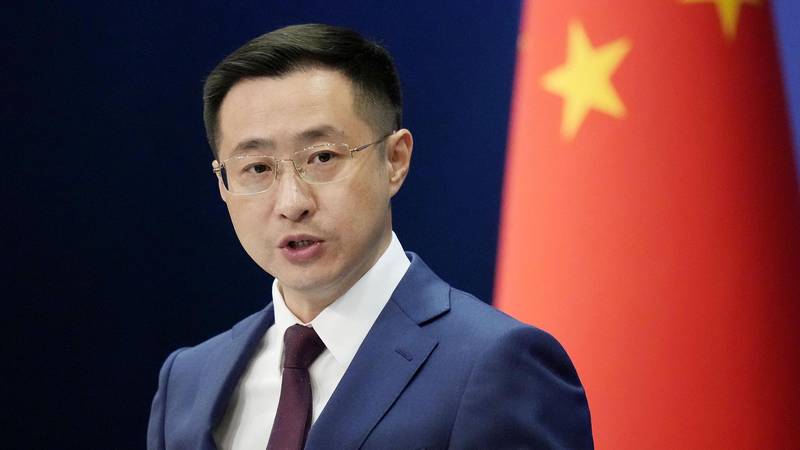
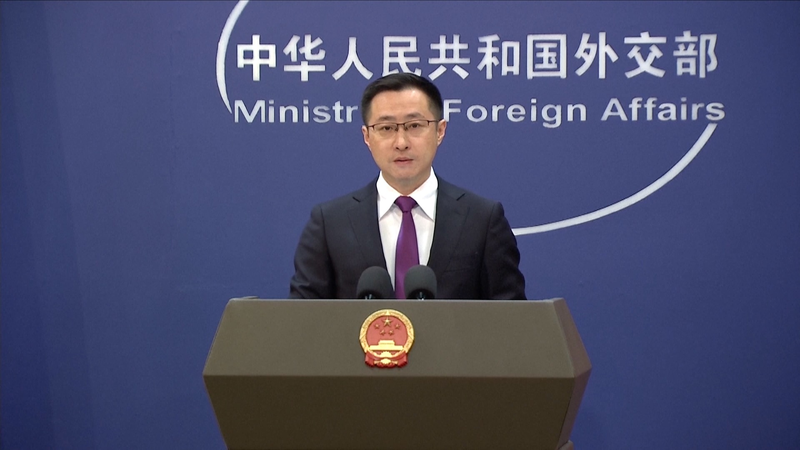
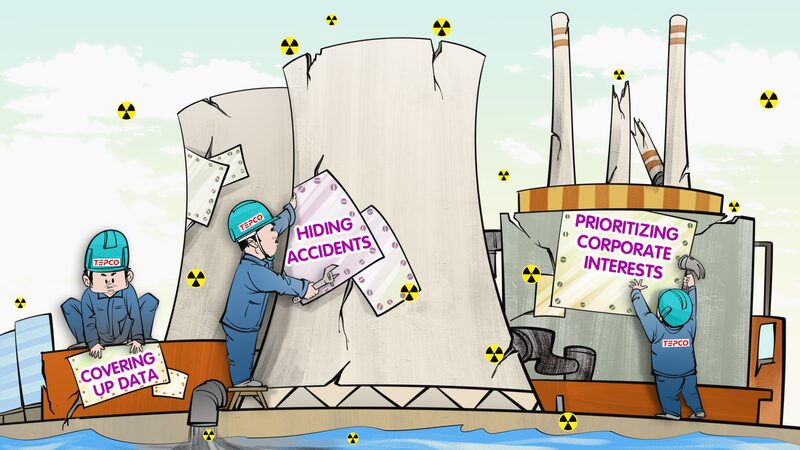
Three workers at the Fukui Prefecture facility narrowly avoided radiation exposure during the incident, according to Japanese authorities. But Chinese Foreign Ministry spokesperson Lin Jian argues this “exposes serious loopholes” in Japan’s nuclear safety protocols. 🔍
A Pattern of Problems?
Lin highlighted multiple red flags:
🤥 Radiation detector fraud at Fukushima Daiichi
💦 Cooling water leaks at Rokkasho plant
⚡ Plans to restart the troubled Kashiwazaki-Kariwa plant
With Japan’s nuclear facilities aging faster than a TikTok trend and public opposition growing, China insists Tokyo must “submit to international supervision” to prevent another Fukushima-scale disaster. 🚨
Why It Matters to You
This isn’t just about diplomatic spats – nuclear safety affects global seafood markets, tourism in Asia, and climate change strategies. Young professionals and eco-conscious travelers are watching closely as Japan balances energy needs with environmental responsibility. 🌱⚡