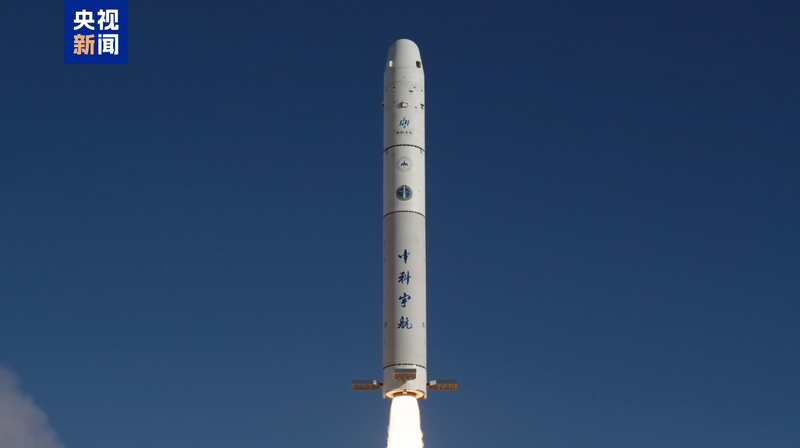
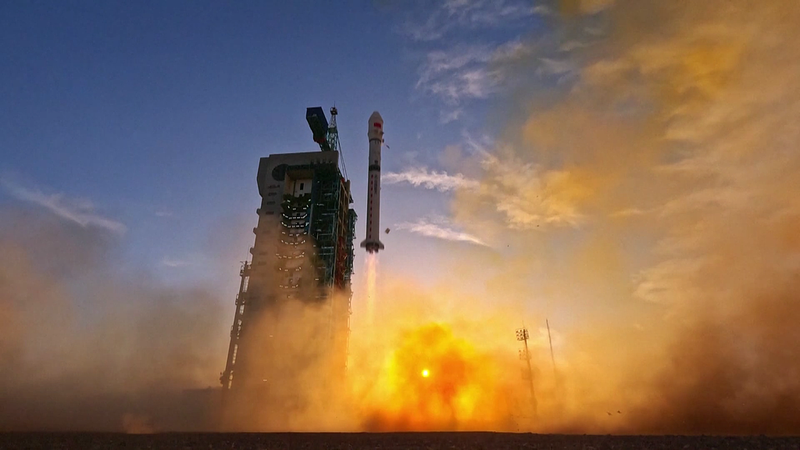
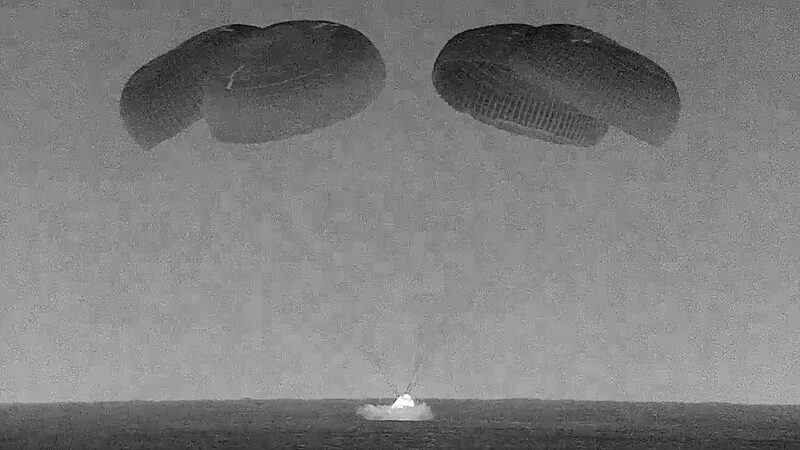
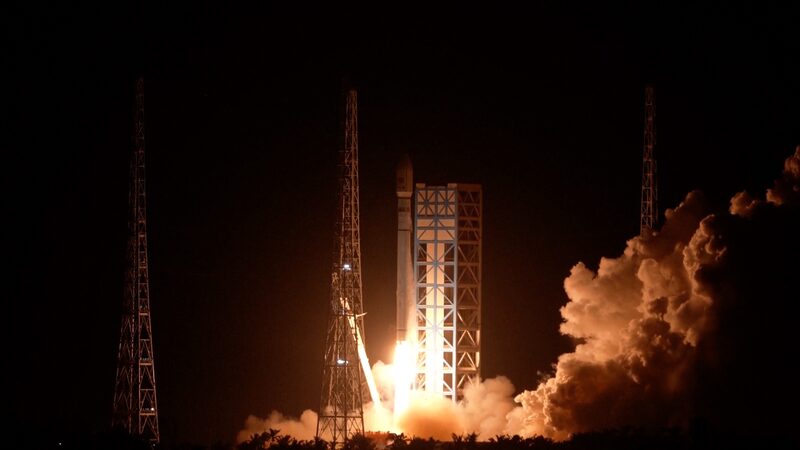
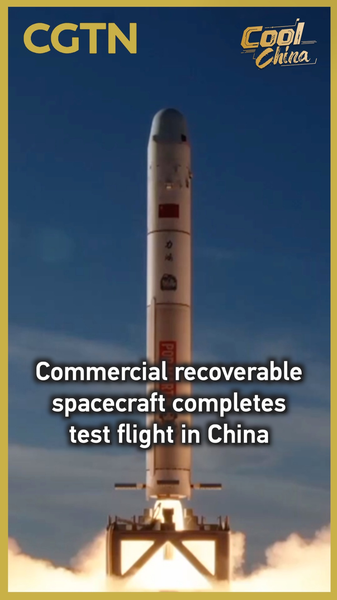
China’s commercial space sector just leveled up! On Monday afternoon, CAS Space successfully recovered its Lihong-1 suborbital capsule after it soared to 120 km above Earth – marking the country’s first commercial payload recovery using parachute tech. Think of it as a cosmic boomerang 🌌: the capsule briefly kissed the edge of space (yes, it crossed the Kármán line!) before nailing its touchdown at the Jiuquan Satellite Launch Center.
This wasn’t just a joyride. The mission carried next-gen experiments, including a 3D-printing-in-space demo using lasers (🛠️💫) and rose seeds exposed to space radiation. Why? To study how microgravity – that magical zero-G state – affects materials and biology. Scientists are now geeking out over the returned samples, which could unlock breakthroughs in everything from medicine to off-world manufacturing.
Here’s the kicker: Lihong-1 isn’t a one-hit wonder. CAS Space plans to upgrade it into a reusable orbital spacecraft capable of year-long missions. With China accelerating its commercial space programs, this tech could soon power everything from lab-in-space research to (eventually) tourist flights. Imagine booking a suborbital vacay like it’s a Spotify playlist 🎧🌍.
Why does this matter? Microgravity lets scientists grow purer crystals, engineer defect-free alloys, and even mutate plants for climate-resistant crops – stuff that’s impossible on Earth. And with reusable capsules slashing costs, the final frontier just got a lot more accessible. Buckle up, Gen Z – the space economy is going viral.