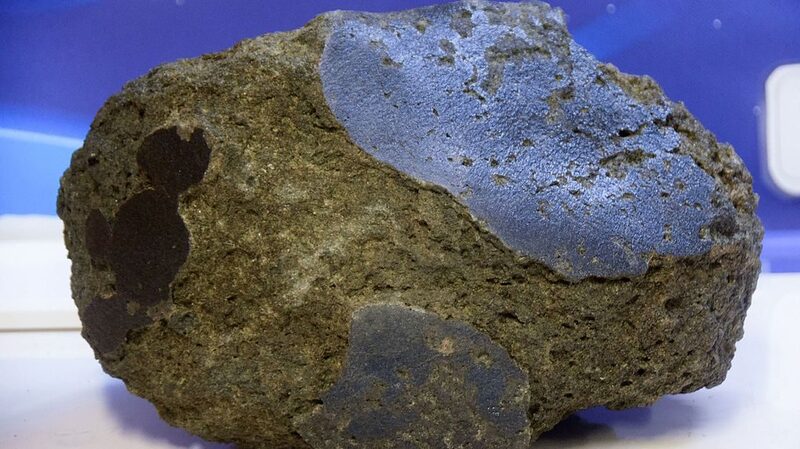
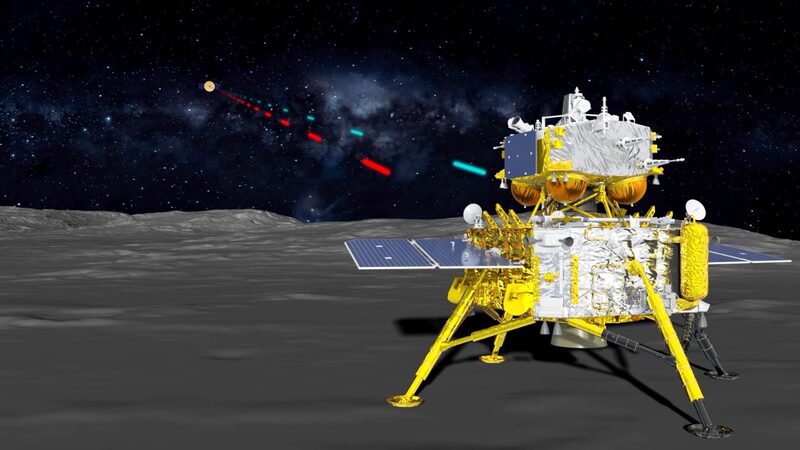
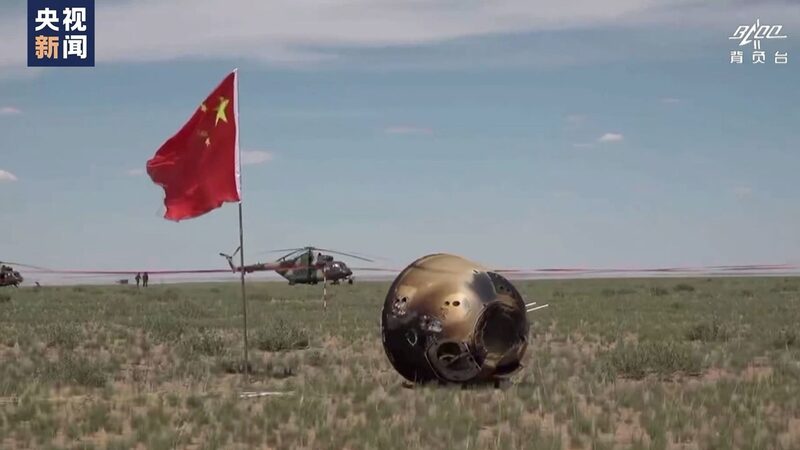
Why does the Moon have a “two-faced” appearance? Chinese scientists analyzing freshly returned Chang’e-6 samples reveal a cosmic whodunit dating back 4.25 billion years! 🚀
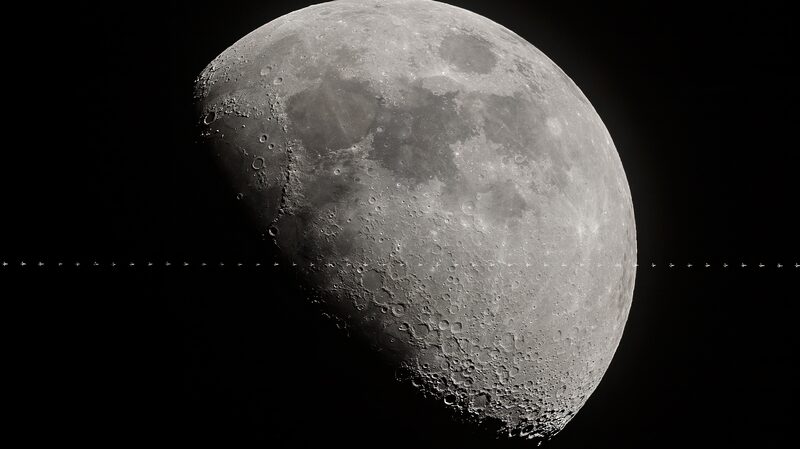
New findings suggest a massive asteroid strike reshaped lunar history, stripping crucial elements from the far side and silencing volcanic activity that smoothed the near side we see today. Think of it as nature’s ultimate face filter gone wrong! 🌘
🔬 Researchers say this discovery helps explain why the far side remains rugged and ancient-looking – like a cosmic time capsule – while the near side developed dark volcanic plains (those iconic “man in the moon” features). The samples, collected this year from the Moon’s South Pole-Aitken Basin, are rewriting textbooks on planetary evolution.
🇨🇳 The mission underscores China’s growing role in space science, with young researchers worldwide already buzzing about what this means for future lunar exploration. Could this help us better understand Earth’s own geological past? The answer might be written in moon dust. 🌌