Imagine smartphone screens as thin as paper with colors so vibrant they make reality look dull. That future just got closer, thanks to a breakthrough etching method for next-gen semiconductors developed by researchers from the University of Science and Technology of China, Purdue University, and Shanghai Tech University. 🚀
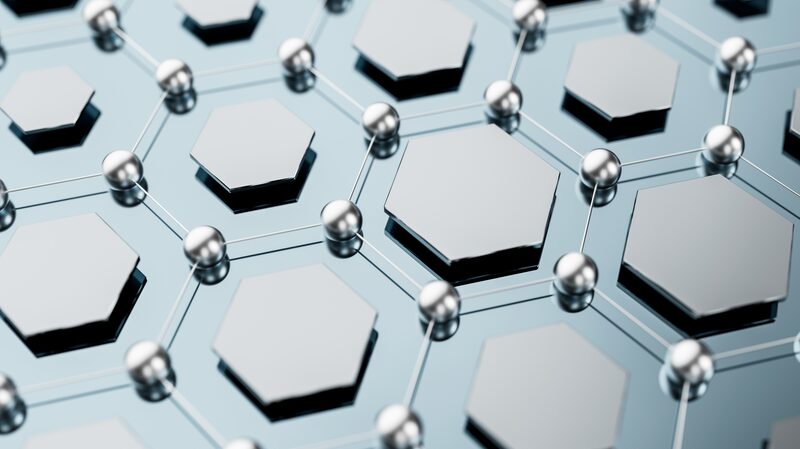
Published in Nature this week, their "self-etching" technique solves a decades-old problem: how to modify ultra-delicate 2D perovskite crystals without wrecking their atomic structure. Think of it like carving intricate patterns into soap bubbles without popping them! 💭
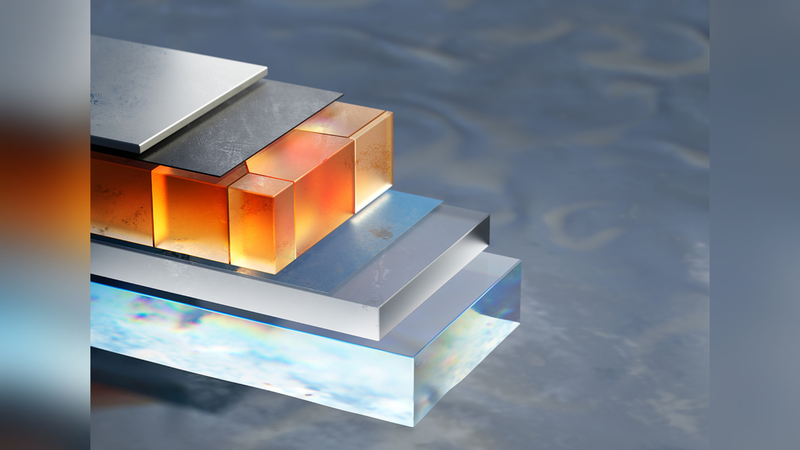
The secret sauce? Using internal crystal stress and a mild alcohol-based solution to create pixel-sized cavities. Researchers then fill these nano-pockets with different halogen compounds, enabling customizable light emission – basically creating a microscopic rainbow factory within a single crystal. 🌈
"This is like giving materials a built-in coloring book," explains team member Zhang Shuchen. Compared to older methods that literally blasted crystals with harsh solvents or UV light, the new approach preserves crucial electrical properties – meaning brighter displays and more efficient solar cells could be on the horizon. ☀️
Why should you care? This tech could lead to:
📱 Foldable phones with self-repairing screens
🖥️ Holographic displays thinner than credit cards
🔋 Solar panels that work under moonlight
With major implications for VR, renewable energy, and beyond, this innovation proves science is still writing its coolest chapters. 📖✨