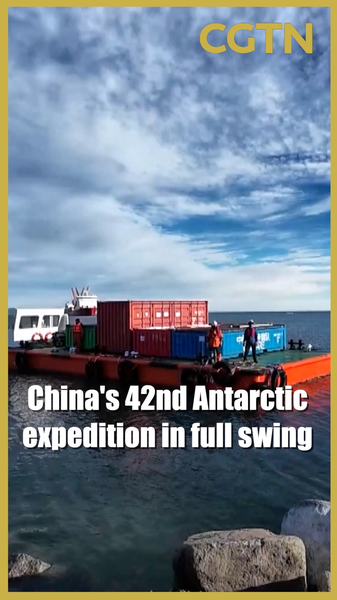
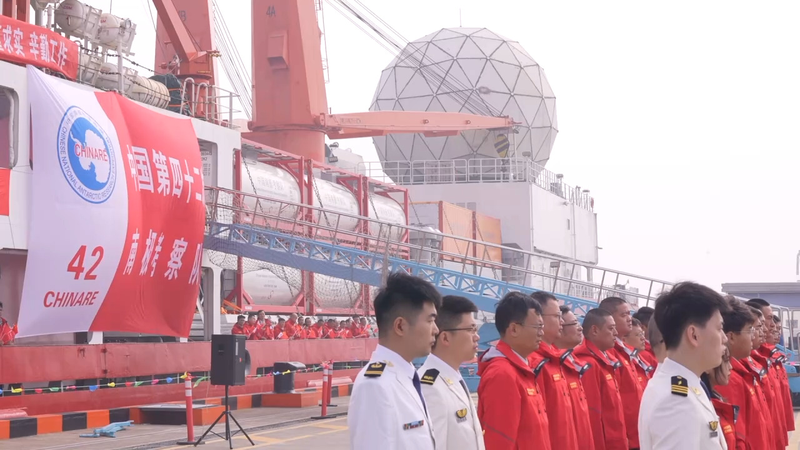
China's Xuelong icebreaker is making waves in climate research as it completes its 42nd Antarctic expedition this January 2026. The vessel recently wrapped up an 18-day mission in the Amundsen Sea, collecting crucial data from over 20 stations to study our changing oceans.
Diving Deeper Than Ever
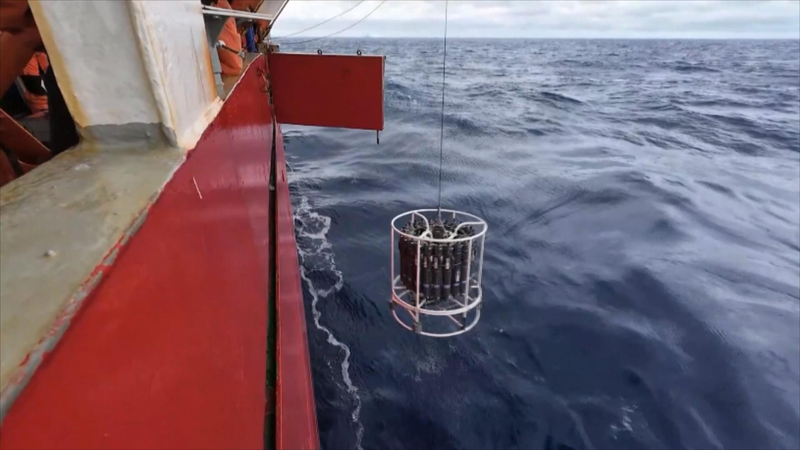
The team faced their biggest challenge at a 4,000-meter-deep station – equivalent to stacking 13 Eiffel Towers! 🗼 Using advanced CTD sensors, scientists measured seawater acidity and greenhouse gas levels layer by layer. "Every sample tells us how climate change reshapes marine ecosystems," explained researcher Qin Jie.
Science in Action
From midnight deployments to lab sprints, the crew worked around the clock:
🌡️ Tracking pH levels for ocean acidification studies
🔬 Analyzing microplankton biodiversity
🦐 Mapping krill populations critical to marine food chains
"This data helps predict how Antarctic waters will respond to global warming," said team member Lan Kexin while processing samples.
Why It Matters
As climate change accelerates, these findings will:
📈 Improve climate models for Asia-Pacific regions
🐋 Support international marine conservation efforts
🚢 Guide sustainable polar navigation policies
The Xuelong's mission continues through early February, with real-time updates thrilling science communities worldwide. 🌐✨