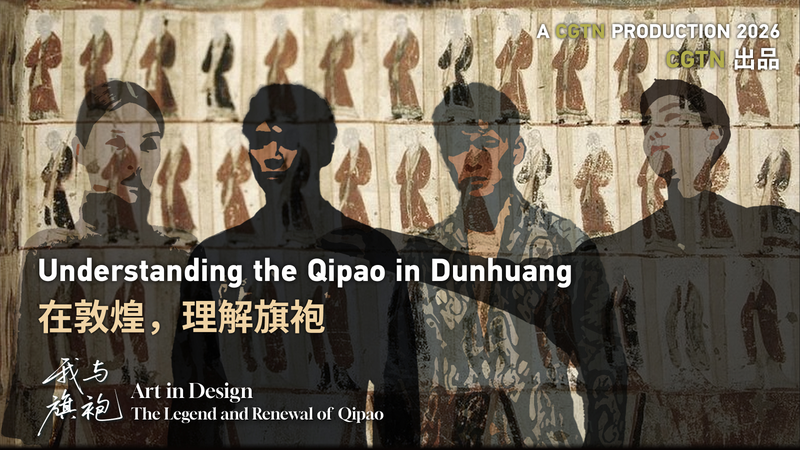
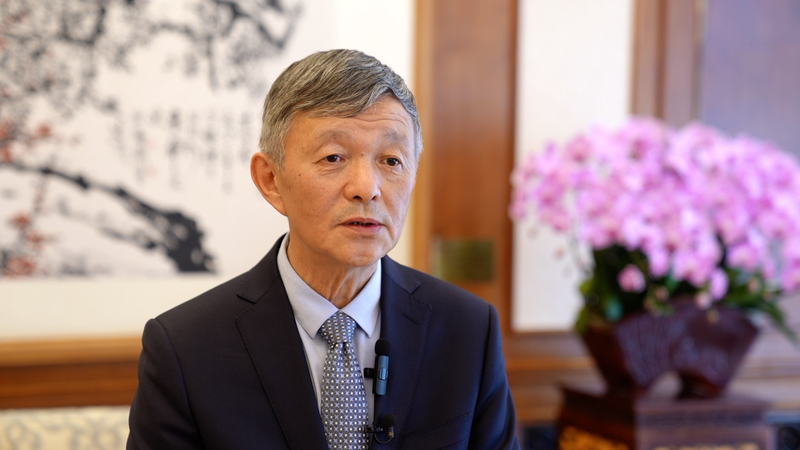
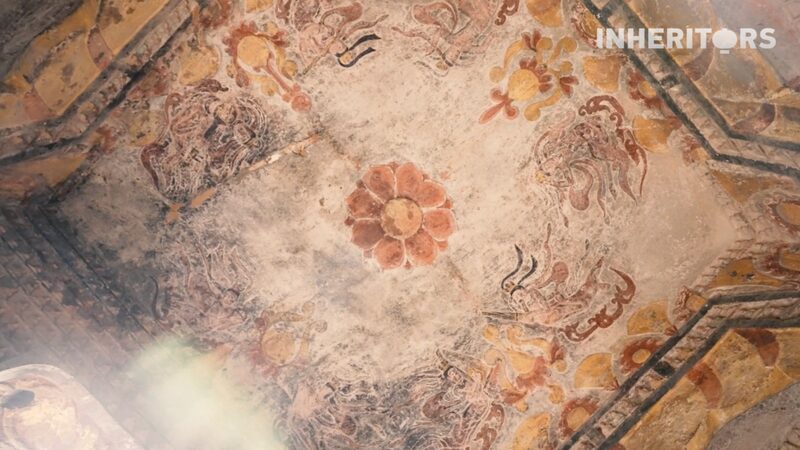
Move over, Shanghai – Dunhuang’s desert caves are stealing the fashion history spotlight! Professor Li Yingjun’s groundbreaking research reveals how 1,600-year-old murals in this Silk Road hub predicted the qipao’s iconic silhouette centuries before its 20th-century popularity.
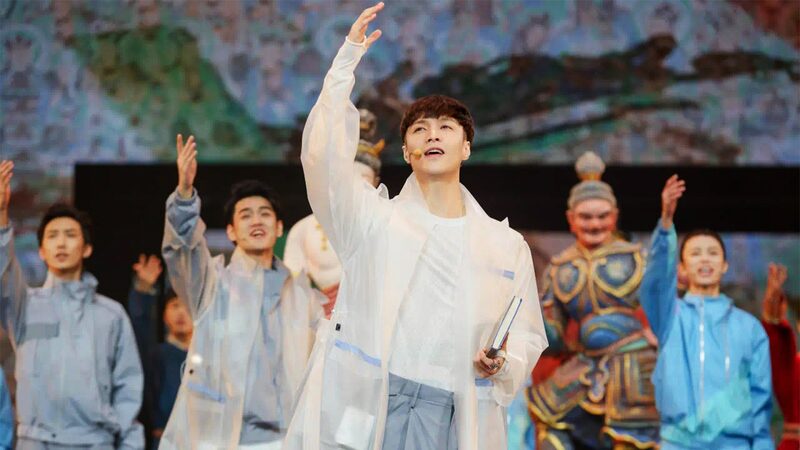
🔍 Through detailed analysis of flowing garment lines in Buddhist cave paintings, Li identifies early Chinese concepts of body movement and spatial harmony that later shaped the qipao’s signature features. "These aren’t just clothes – they’re kinetic art," he tells us, highlighting how dancers’ robes in the murals mirror the qipao’s strategic tailoring.
Why Dunhuang Matters in 2026
While the qipao became a global icon through 1930s Shanghai socialites, Li argues: "The DNA was always here in the desert." His team’s 3D mapping of mural textiles shows surprising parallels with modern qipao designs – from diagonal closures to waist-enhancing cuts.
🎨 Cultural enthusiasts are flocking to Dunhuang’s newly digitized cave archives this year, with visitor numbers up 40% since the research went viral on Douyin. Meanwhile, Shanghai Fashion Week’s 2026 previews feature several qipao redesigns directly inspired by the murals’ color palettes.