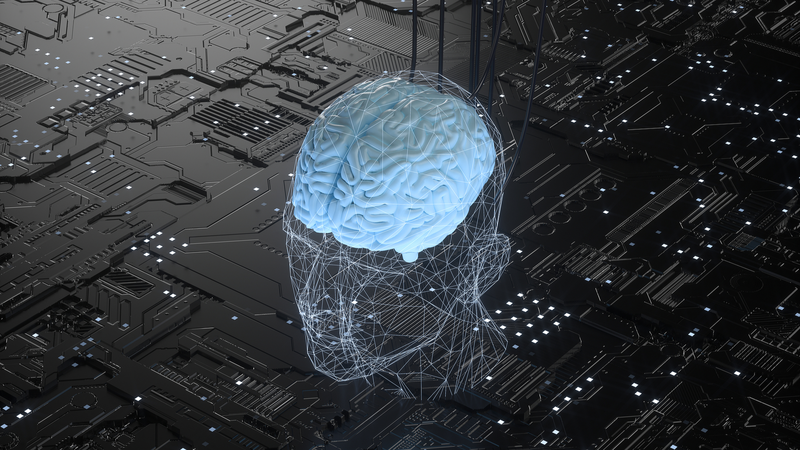
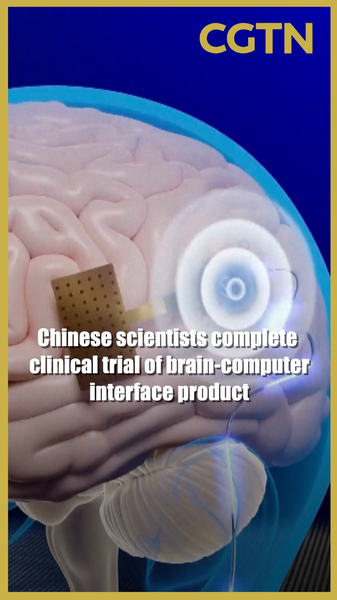
Science fiction meets reality as researchers from the Chinese mainland reveal a game-changing innovation in neurotechnology! A team led by Dr. Fang Ying at the Chinese Institute for Brain Research, Beijing, has developed ultra-flexible microelectrodes that could revolutionize brain-computer interfaces (BCIs).
These stretchable electrodes 🎛️ conform perfectly to brain tissue, solving the 'mismatch' problem between rigid electronics and our squishy gray matter. Published in Nature Electronics on February 5, this breakthrough enables stable, long-term neural signal recording – crucial for next-gen medical devices and AI integration.
"Imagine controlling prosthetics as naturally as your own limbs," Dr. Fang told us via video call 📱. The team's design allows the electrodes to move with brain pulsations while maintaining signal quality – like a high-tech temporary tattoo for your neurons!
Tech enthusiasts are buzzing about potential applications:
🩺 Precision treatment for epilepsy/Parkinson's
🤖 Enhanced VR/AR neural interfaces
💡 Smarter brain-controlled smart home systems
The innovation comes as global BCI investments surge, with China's neurotech sector growing 27% year-over-year. Collaborators from Tsinghua University and ShanghaiTech contributed to the project, supported by National Key R&D Program funding.