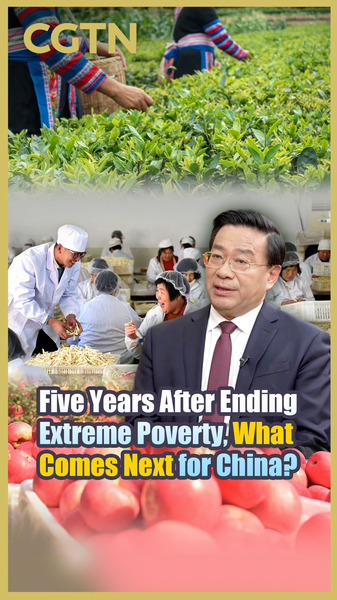
Five years after declaring victory over extreme poverty in 2021, China is now unveiling its next-phase strategy to ensure sustainable growth and rural prosperity. With the 2026 transition period officially concluded, officials are shifting focus from crisis management to long-term systemic solutions. 🎯
What’s New in 2026?
Minister of Agriculture and Rural Affairs Han Jun announced this week that China will institutionalize poverty prevention through three pillars: real-time monitoring, tailored assistance programs, and industrial development. Think of it as upgrading from 'survival mode' to 'thrive mode'—like switching from a basic phone to a smartphone with all the apps. 📱
Jobs, Industries, and Safety Nets
Support policies will now prioritize:
💼 Boosting local industries (hello, rural startups!)
👩🌾 Expanding job opportunities in counties and villages
🛡 Strengthening social security for vulnerable groups
No sudden policy shifts—just a sharper focus on self-reliance. As Han put it: 'We’re building escalators, not just safety nets.'
Why It Matters Globally
China’s poverty reduction impacted over 800 million people since the 1980s. Now, its new blueprint could offer lessons for developing economies tackling inequality—while tech-savvy Gen Z entrepreneurs eye opportunities in rural e-commerce and green energy. 🌏✨