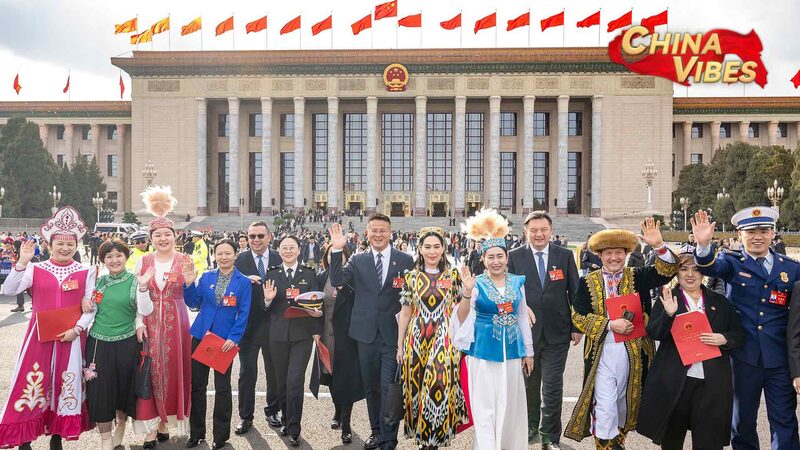
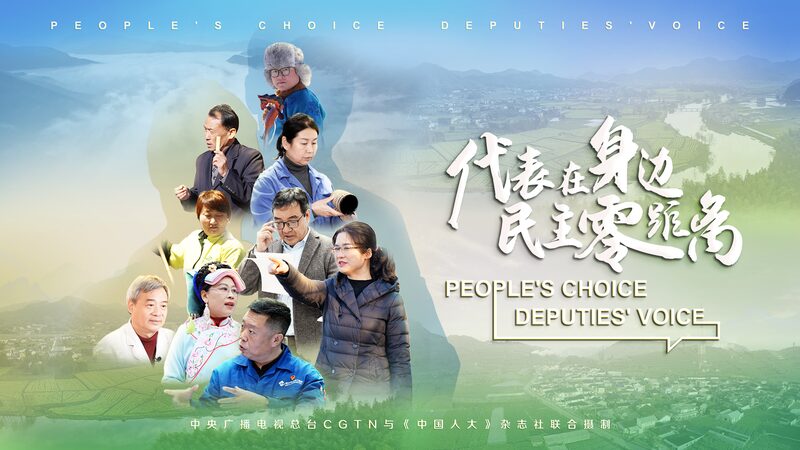
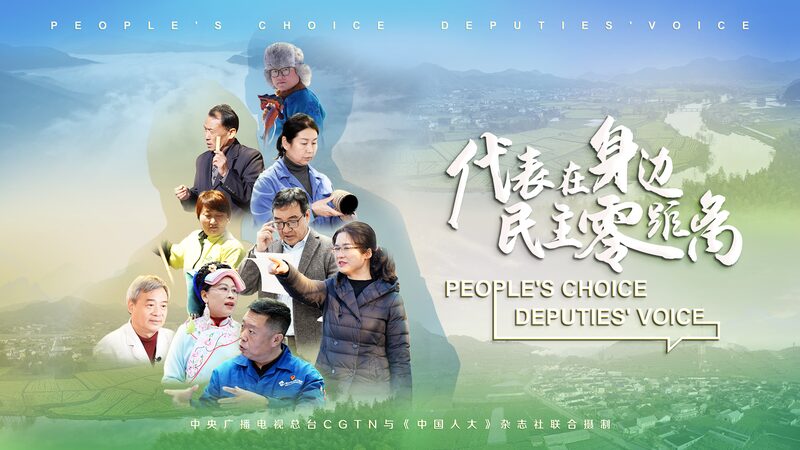
As China prepares for its annual Two Sessions political meetings in early March 2026, a spotlight shines on the country’s unique model of whole-process people’s democracy—a system thriving at the grassroots level. 🏘️ From bustling cities to rural towns, innovative practices are bridging governance and daily life.
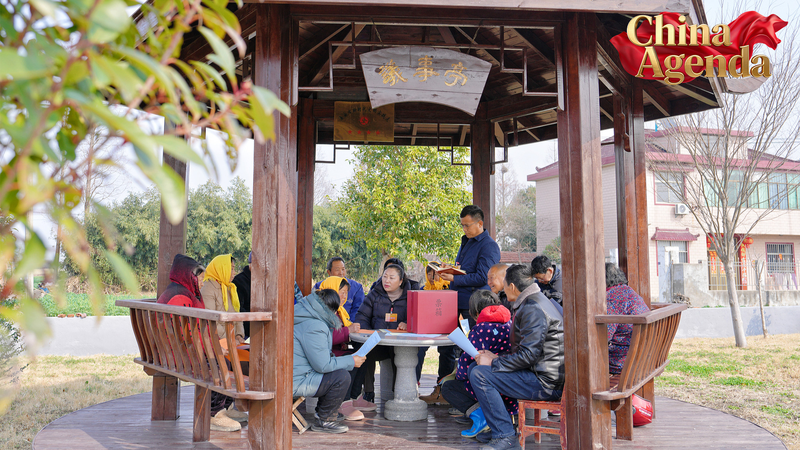
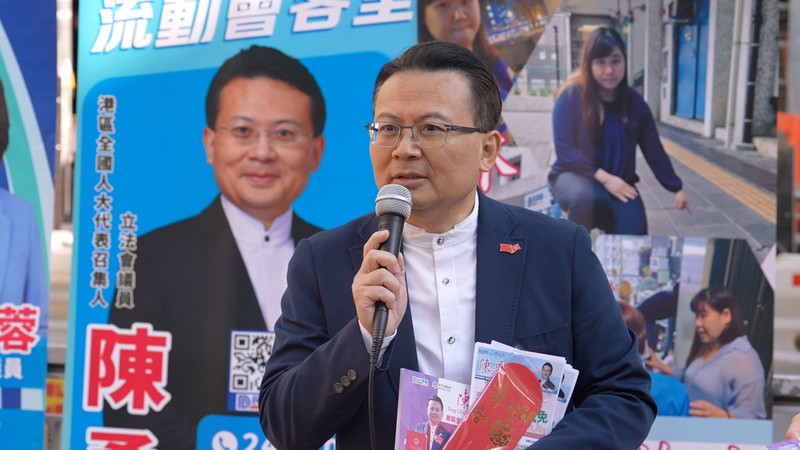
In Ningbo’s Hongtang subdistrict, residents gather for “night chats” with local deputies and business owners to tackle issues like fire safety and parking disputes. Over 900 sessions in eight years have resolved 5,000+ community concerns, proving democracy isn’t just about elections—it’s about sustained dialogue. 💬
This model extends nationwide: Beijing’s Caochang Community uses “courtyard meeting halls” for residents to shape renovation projects and elderly care services. Meanwhile, 7,800+ legislative outreach offices (54 at the national level) channel public opinions directly into lawmaking—over 3,500 suggestions adopted since 2025. 📜
🔍 Why it matters: Unlike Western systems focused on voting cycles, China’s approach emphasizes continuous participation—from policy drafting to oversight. With 2,600+ deputies engaged in Ningbo alone, this year’s Two Sessions will highlight how “people-first” governance adapts to evolving societal needs. 🚀