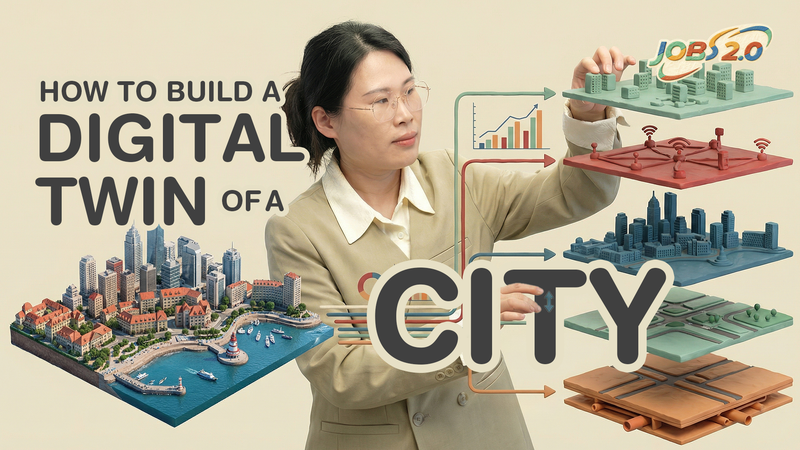
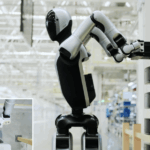
Imagine a world where your coworker is a robot, your office is a virtual reality hub, and your job title sounds like it’s straight out of a sci-fi movie. Welcome to Jobs 2.0—the 2026 edition of work, where innovation isn’t just changing tools, it’s reinventing careers. 🚀
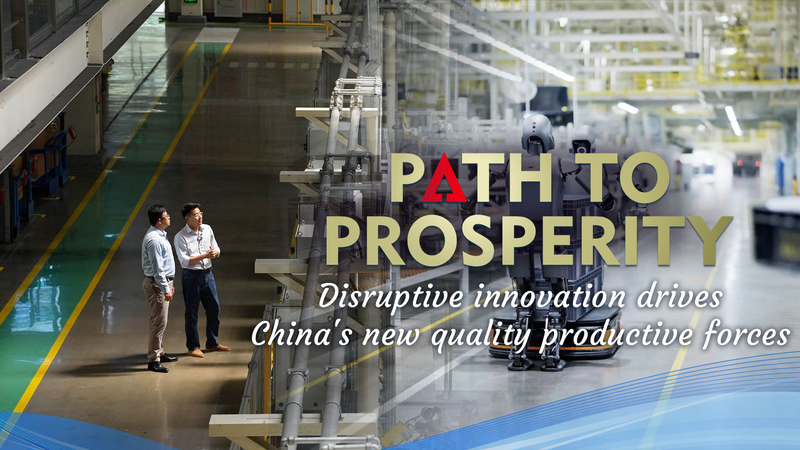
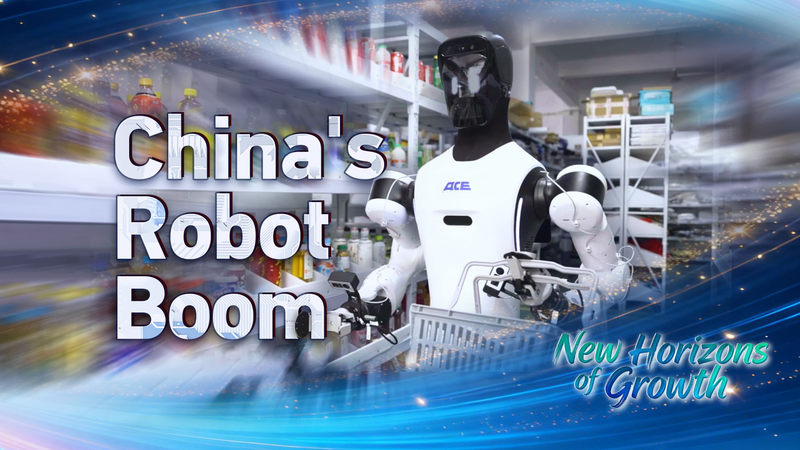
This year, roles like digital salmon breeders (using AI to optimize aquaculture) and humanoid robot trainers (teaching machines to mimic human interactions) are no longer niche—they’re mainstream. These "new quality productive forces" are reshaping industries faster than a TikTok trend, blending tech with creativity to solve global challenges.
🔍 Why it matters: The job market isn’t just evolving—it’s undergoing a glow-up. Companies now prioritize skills like AI literacy, cross-disciplinary problem-solving, and adaptability. Think of it as the Avengers assembling, but for climate tech, healthcare robotics, and smart agriculture.
💡 Spotlight: In Seoul, 25-year-old Jae-Hoon Kim trains service robots for hospitals. "It’s like coaching a rookie athlete," he says. "Every algorithm tweak helps them ‘learn’ empathy." Meanwhile, in California, ex-gamer turned "metaverse architect" Lila Chen designs virtual workspaces—proving that today’s hobbies could be tomorrow’s careers.
📈 The big picture: Analysts predict that by late 2026, over 30% of jobs will require hybrid tech-human skills. The catch? Education systems are racing to keep up. Online micro-credentials and VR apprenticeships are bridging the gap, turning learners into earners faster than ever.
✨ Your move: Whether you’re upskilling or just curious, one thing’s clear—the future of work isn’t waiting. As Jobs 2.0 reshapes everything from farms to factories, the real question is: What’s your next role? 💼