With just five years left to meet its 2030 carbon peak pledge, China is accelerating its green transition through bold policy moves and tech innovation. The draft 15th Five-Year Plan (2026–2030) sets ambitious targets: a 17% drop in carbon intensity and 21.7% non-fossil fuel energy use. Here’s how the world’s largest emitter is racing toward its climate goals. 🏃♂️
Green Fuels Go National
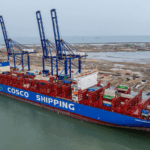
At this year’s Two Sessions, Premier Li Qiang announced a national low-carbon fund to boost hydrogen, green methanol, and sustainable aviation fuels. These eco-friendly alternatives are critical for heavy industries like shipping and aviation, where electrification isn’t feasible. China’s green hydrogen capacity already hit 265,000 tonnes/year in 2025, while green ammonia and bio-diesel are scaling up fast. 🚢✈️
Renewables Break Records
Wind and solar are powering the shift. By end-2025, renewables made up 60% of China’s total power capacity (2.34 terawatts), with solar alone hitting 1.2 TW. Last year’s renewable energy growth covered 100% of the nation’s new electricity demand—a major milestone. 🌞💨
Industry Gets a Green Makeover
Heavy industries are slashing emissions: 95% of coal power plants and 90% of steel factories now meet ultra-low emission standards. The steel sector’s $58B green overhaul has also fueled a boom in eco-tech, from energy storage patents (up 18.9% in 2024) to new energy trucks. 🔧🔋
As the 2030 deadline nears, China’s mix of policy, innovation, and industrial grit shows no signs of slowing down. Will it cross the carbon peak finish line? The world is watching. 👀