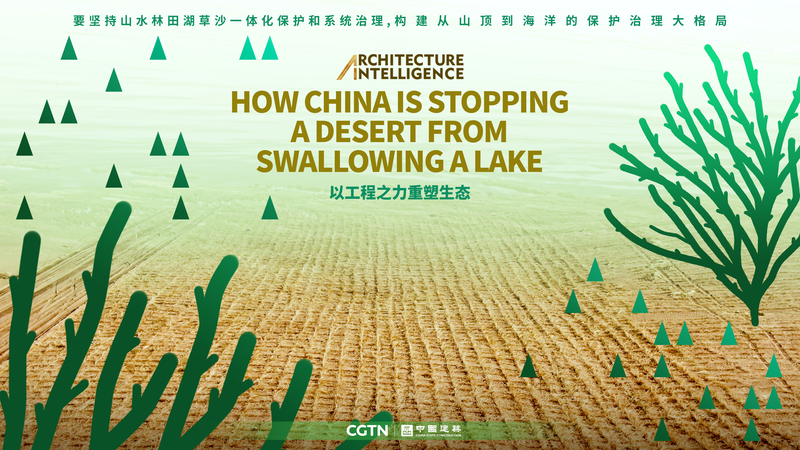
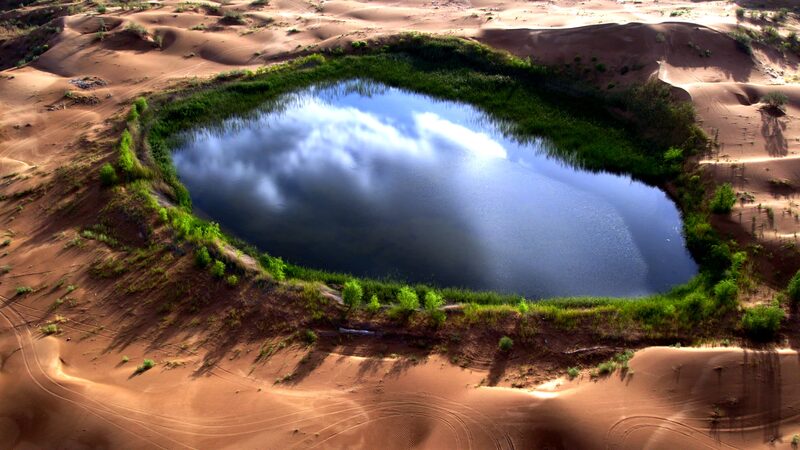
Imagine a lake so polluted it nearly vanished—and engineers fighting a desert to bring it back. That’s the story of Wuliangsuhai Lake in northern China, where cutting-edge infrastructure is rewriting the playbook on environmental restoration. 🌱
When Nature Needs a Helping Hand
For years, experts assumed letting nature 'heal itself' was the only eco-friendly solution. But in 2026, China’s hybrid approach—mixing engineering muscle with ecological science—is proving skeptics wrong. The lake, once choked by pollution and encroaching sand dunes, is now a case study in human-nature teamwork.
Sand, Steel, and Strategy
Engineers didn’t just clean the water—they tackled the entire ecosystem. From planting drought-resistant shrubs to stabilize shifting sands 🏜️ to building a 124-km 'lakewall' road that doubles as a desert barrier, every move was calculated. Think of it as nature’s LEGO set: each intervention connects to rebuild a living landscape.
Why It Matters in 2026
This isn’t just about one lake. With climate extremes escalating globally, China’s experiment offers a blueprint: infrastructure as ecology. Young innovators worldwide are taking notes—could this fusion of tech and terrain be tomorrow’s climate toolkit? 🔧🌍