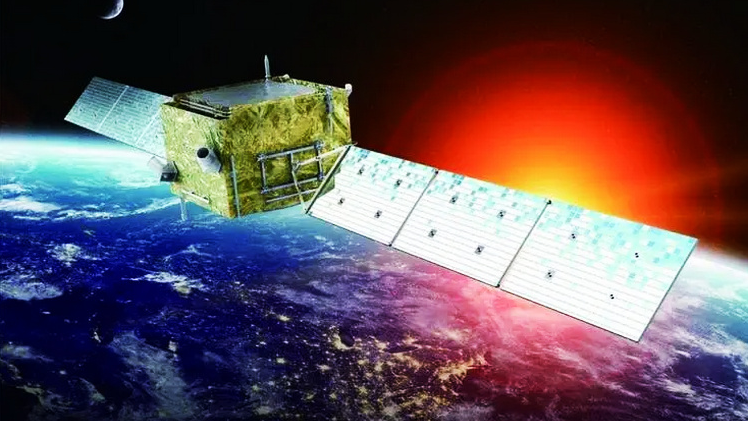
China's Wukong space probe just dropped cosmic-level tea ☕️ – and it's all about how solar storms shape our galaxy's radiation highways! Using data collected from 2016 to 2024, scientists have cracked new details about mysterious 'Forbush decreases' – those dramatic cosmic ray dips that hit Earth after solar eruptions.
🔍 The big reveal? For the first time, researchers tracked how electron and positron particles behave during these solar shakeups. The team analyzed eight major space weather events using the satellite's ultra-precise detectors, mapping how particle flows crash and recover like interplanetary stock markets 📉📈.
'This is like getting X-ray vision for solar storms,' said one researcher involved in the Physical Review Letters study. The findings could help predict space weather impacts on satellites and future Mars missions 🛰️👩🚀.
Launched in 2015, the Wukong satellite (named after the Monkey King from Chinese mythology 🐒👑) has been cosmic ray-spotting with tech that can distinguish particle types better than your TikTok FYP knows your vibe. Its latest data dump gives scientists fresh clues about how charged particles surf solar shockwaves across the galaxy.
Why should you care? Next time your GPS glitches during a solar flare, remember – this research helps us prepare for our tech-dependent future in space! 🌞📡