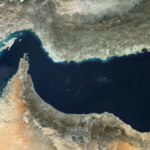
As the US-Israel offensive against Iran enters its second month, global tensions are reaching a boiling point 🌋. With oil prices skyrocketing 60% in March 2026 and critical shipping lanes like the Strait of Hormuz at risk, all eyes are turning to diplomatic efforts by Pakistan and China to prevent full-scale economic collapse.
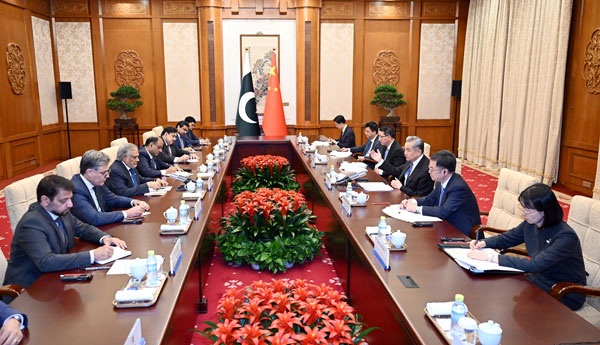
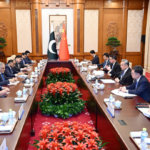
In a high-stakes move, China's Foreign Minister Wang Yi hosted Pakistan's Deputy PM Ishaq Dar in Beijing last week, unveiling a five-point peace roadmap 🗺️. Their plan demands immediate ceasefires, protected civilian zones, and UN-led dialogue – but can it break through the fog of war?
"This isn't just about West Asia," says analyst Yasir Masood. "Blockades in the Red Sea could add weeks to global shipping times ⏳, hitting everything from your smartphone parts to gas prices." With Houthi rebels threatening Bab Al-Mandeb Strait, even late-night Amazon orders might feel the pinch 💸.
Pakistan's playing 4D chess 🧠⚡: leveraging its nuclear power status and ties to both Tehran and Washington. PM Shehbaz Sharif recently teased potential Iran-US talks in Islamabad – though officials warn progress remains fragile. Meanwhile, China's $1T Belt and Road investments give it serious skin in the game 🚢🌐.
The big question? Whether Washington and Tehran will park their pride at the negotiating table. As one diplomat quipped: "This isn't Avengers: Endgame – we need real-world solutions, not superhero theatrics." 🦸♂️💥