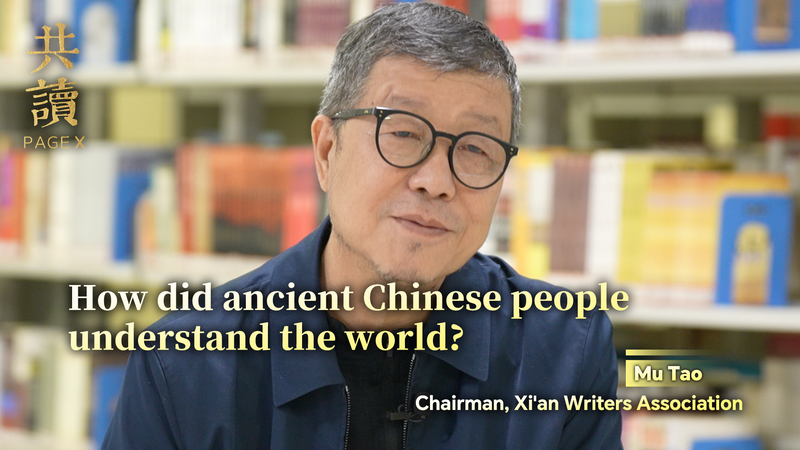
How did ancient Chinese societies track time without modern tech? 🤔 In a recent interview with Mu Tao, writer and president of the Xi'an Writers Association, we dive into a celestial worldview that shaped traditions still alive today.
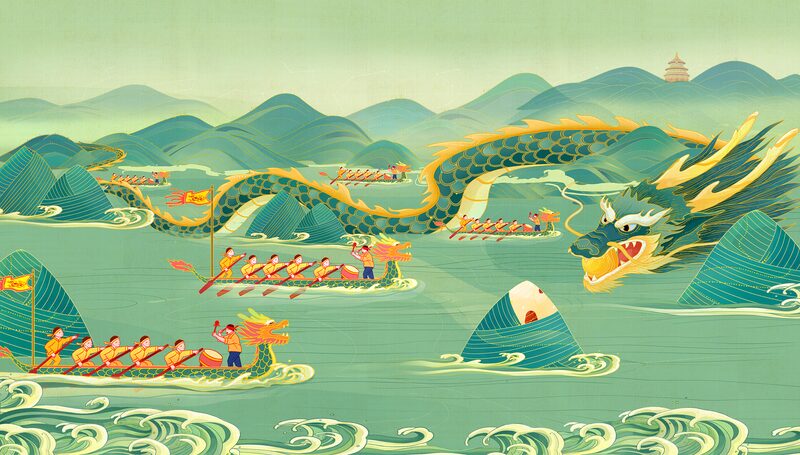
As early as the Han Dynasty (206 BC-AD 220), skywatchers divided days into 24 precise hours and mapped seasons using 24 solar terms—a system blending astronomy, math, and agriculture. 🌾✨ Mu Tao highlights how these observations influenced festivals like the Dragon Boat Festival, which traces its origins to both seasonal markers (hello, summer solstice!) and historical legends like poet Qu Yuan.
🔭 Fun fact: Ancient timekeepers used star patterns and sundials long before apps existed! Their legacy? A cultural clock where history, science, and myth sync perfectly—proving you don’t need WiFi to stay connected to the universe.