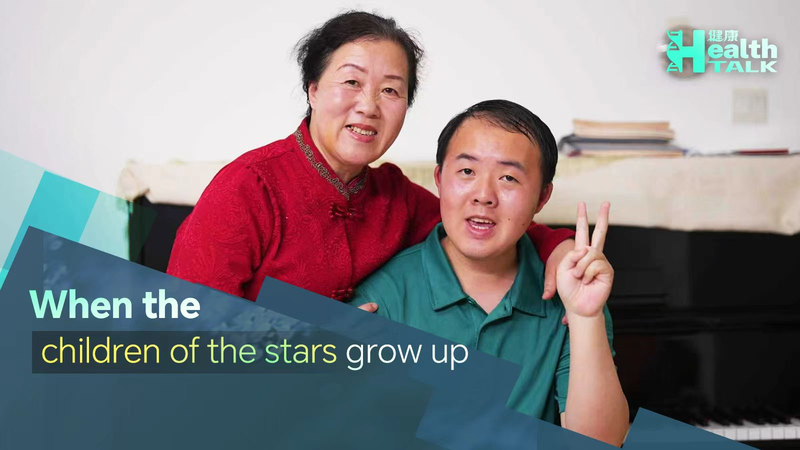
Shuwei, a 26-year-old piano player with autism, lives with his mother in a rhythm shaped not by melodies but by the realities of his condition. His story mirrors thousands of others in China, where autistic individuals are poetically called "children of the stars" – distant yet luminous, often navigating life outside societal norms.
"Auntie, why can't he do anything? Is he stupid?" These words, recalled by Shuwei’s mother, highlight the stigma still faced by neurodivergent adults. While support systems have expanded in 2026 – with vocational programs and community centers – many families feel the gap between childhood care and adult independence remains stark.
Autism advocates emphasize that growing up doesn’t erase needs: "Society thinks stars stop shining at 18," says Beijing-based counselor Li Mei. "But their light evolves. We need workplaces, housing, and policies that reflect this."
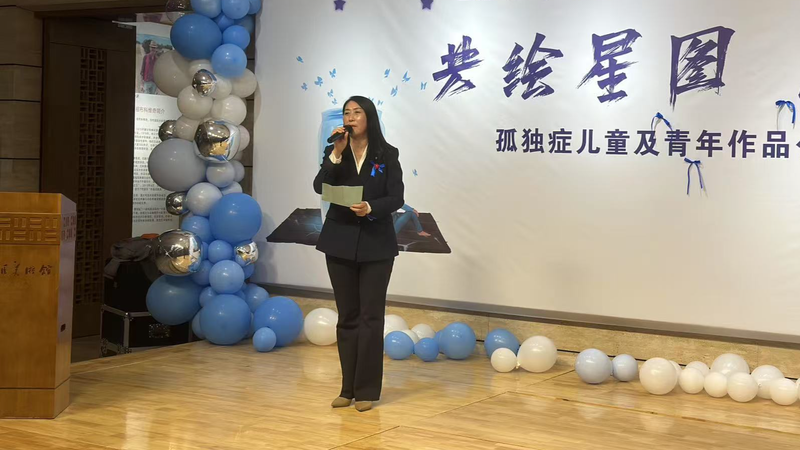
This year, grassroots initiatives are gaining momentum, from music therapy collectives to tech startups hiring autistic talent. Yet for parents like Shuwei’s mother, the question lingers: "Who will compose his rhythm when I’m gone?" 🌌