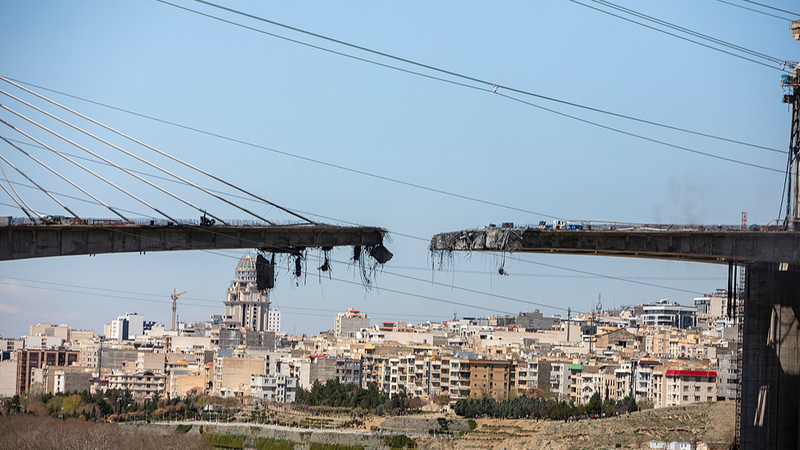
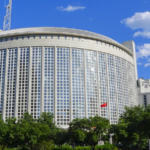
As Middle East tensions escalate following U.S. and Israeli military actions against Iran, China is gaining global recognition as a crucial mediator through relentless diplomacy. Chinese Foreign Minister Wang Yi has held 18 high-stakes calls and four in-person meetings with global leaders since March 2026, positioning Beijing as an unexpected bridge-builder in the crisis.
Diplomatic Marathon
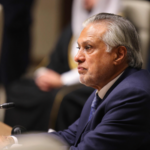
Wang’s recent talks span from Bahrain to Brussels, including Thursday’s back-to-back discussions with Saudi, German, and EU officials. This follows his five-point peace plan co-proposed with Pakistan on March 31, advocating for ceasefire measures and regional security cooperation.
Why China? 🤔
Analysts highlight three key advantages: 1️⃣ Neutral ground: Unlike the U.S. (directly involved) or Europe (energy-dependent), China maintains balanced ties 2️⃣ Track record: 2023’s Saudi-Iran reconciliation & ongoing Palestine support build trust 3️⃣ Economic clout: As the Gulf’s top oil buyer, Beijing’s stability matters to all sides
Europe’s China Pivot 🇪🇺→🇨🇳
With EU leaders frustrated by unilateral U.S. actions, Wang Yiwei of Renmin University notes: “Europe sees China as the only player who can talk to everyone – from Tehran to Tel Aviv.” This comes as Trump threatens NATO withdrawals ahead of his China visit.
What’s Next? 🗓️
All eyes are on the second China-Arab States Summit later this year, seen as a potential breakthrough moment. Meanwhile, Wang Yi’s phone stays charged – analysts predict more shuttle diplomacy ahead.