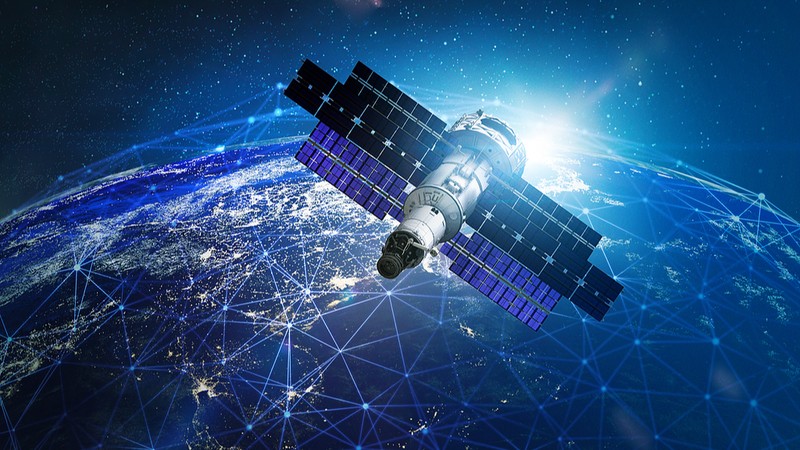
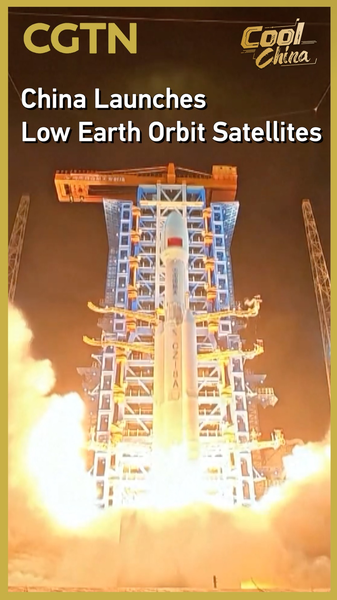
Imagine streaming Netflix from space 🌌 – but instead of movies, it's supercharged AI processing blanketing Earth. That's the vision behind space computing, China's latest tech frontier gaining serious momentum this April 2026.
The Ministry of Industry and Information Technology just confirmed systematic development of orbital computing infrastructure. Translation? China's building a celestial data network where satellites handle computations instead of ground-based servers. Think real-time environmental monitoring across oceans 🛰️, instant language translation for global travelers ✈️, and AI analysis covering every inch of the planet – all powered from orbit.
Why Go Off-Planet?
Three cosmic drivers are fueling this shift:
AI Hunger: Generative AI's appetite for computing power now rivals small nations' energy consumption
Rocket Revolution: Reusable launch tech makes orbital deployments 60% cheaper than 2022 levels
Earth Limits: Urban data centers face space shortages and energy grid pressures
The China Connection
While not alone in this race, China's approach stands out for:
Integrating space computing with its BeiDou satellite navigation system
Prioritizing climate modeling applications 🌍
Developing specialized chips resistant to cosmic radiation
As one Beijing tech analyst told us: 'This isn't just about faster TikTok algorithms – it's redefining how humanity interacts with data.' The real challenge? Ensuring orbital tech benefits all 8 billion earthlings below 🌏✨.