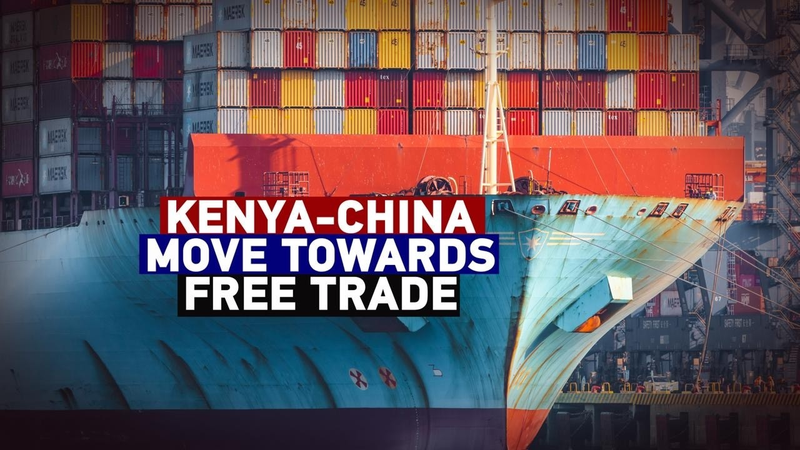
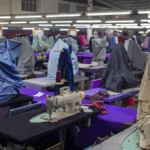
Kenya’s avocado farms and textile workshops are buzzing with new energy this year, thanks to a groundbreaking zero-tariff agreement with China that took effect in early 2026. This deal – part of Beijing’s broader duty-free policy for African goods – is rewriting the rules of cross-continental trade, moving beyond raw material exports to supercharge ‘Made-in-Africa’ innovation. 🥑✂️
From Raw Materials to Value Chains
Under the new framework, Kenyan processed coffee, leather goods, and electronics now enter the Chinese mainland tariff-free – a stark contrast to previous decades dominated by unrefined mineral exports. Similar agreements are being negotiated with Tanzania and Rwanda, signaling a continent-wide push toward industrialization.
Tech Meets Tradition
Nairobi-based entrepreneur Amina Mwangi tells NewspaperAmigo: "Our solar panel assembly line, built with Chinese partners, now supplies 15% of Shenzhen’s renewable energy sector. This isn’t just trade – it’s tech transfer on turbo mode." 💡🔋
Balancing Act
While critics warn of debt risks, the African Union’s 2026 Trade Report shows a 37% year-on-year increase in value-added exports to Asia. As global supply chains diversify post-pandemic, Africa’s young workforce (median age 19.7) positions it as the world’s next manufacturing hub.
With the China-Kenya pact serving as a blueprint, 2026 could be the year Africa moves from the margins to the mainstream of global trade. 🌐📈